Trade Show Display: Everything You Need to Know
Most American businesses underestimate how much first impressions count at trade shows. Studies show that more than 80 percent of attendees form an opinion about a company based solely on the appearance of its booth. With so much on the line, understanding what really matters in trade show displays—and separating fact from fiction—can help you create an experience that stands out in a crowded market and drives real results.
Table of Contents
- Defining Trade Show Displays And Common Myths
- Types Of Trade Show Displays And Booth Options
- Essential Design Features And Customization
- Logistics, Installation, And On-Site Management
- Costs, Rental Vs Purchase, And Budgeting Tips
- Common Mistakes And How To Avoid Them
Key Takeaways
| Point | Details |
|---|---|
| Trade Show Displays Are Essential Marketing Tools | They create engaging brand experiences that attract potential clients and partners during industry events. |
| Customization and Design Matter | Strategic design elements and technological integration enhance the effectiveness of trade show displays. |
| Effective Logistics and Management Are Critical | Comprehensive planning and on-site management ensure smooth operation and maximize engagement opportunities. |
| Avoid Common Mistakes | Proper preparation, staff training, and clear branding are essential to achieving success at trade shows. |
Defining Trade Show Displays and Common Myths
A trade show display is a strategic marketing platform where businesses visually communicate their brand, products, and value proposition within a dedicated physical space during industry events. These displays serve as powerful communication tools that transform compact booth areas into immersive brand experiences designed to attract, engage, and convert potential clients and partners.
At its core, a trade show display is more than just a physical setup—it’s a carefully orchestrated environment that reflects a company’s identity, innovation, and market positioning. Modern displays range from compact tabletop configurations to expansive, multi-story architectural installations that can span hundreds of square feet. The goal remains consistent: create an inviting space that compels attendees to stop, interact, and learn more about your offerings.
Unfortunately, several persistent myths can undermine businesses’ trade show strategies. One common misconception is that display quality doesn’t matter—in reality, your booth’s design and presentation are often the first and most critical point of contact with potential clients. Another prevalent myth suggests that only large corporations can create impactful displays. The truth is that strategic exhibition design can help businesses of all sizes create memorable, professional presentations that punch well above their weight.
Effective trade show displays combine multiple elements to create compelling narratives. These typically include:
- Visually striking graphics
- Interactive technology demonstrations
- Strategic product placement
- Engaging staff trained in communication
- Clear messaging that communicates unique value propositions
By understanding these fundamental principles and dispelling common myths, businesses can transform trade show displays from mere physical spaces into powerful marketing instruments that drive meaningful professional connections and potential business opportunities.
Types of Trade Show Displays and Booth Options
Trade show displays come in a diverse range of configurations, each designed to meet specific marketing objectives and spatial constraints. Modular exhibits represent the most flexible option, allowing businesses to reconfigure their booth layout for different events and venues. These versatile systems typically feature interchangeable components that can be easily assembled, disassembled, and transported, making them ideal for companies with dynamic marketing strategies.
Traditionally, trade show displays are categorized into several primary types. Portable displays offer compact solutions for businesses with limited budgets or frequent travel requirements. These lightweight systems include pop-up displays, tabletop exhibits, and banner stands that can be quickly set up by a single person. In contrast, custom-built stands represent the pinnacle of exhibition design, offering fully personalized environments that can be architecturally complex and technologically sophisticated.
Beyond physical configurations, modern trade show strategies increasingly incorporate digital and hybrid approaches. Virtual trade show displays have emerged as a powerful alternative, especially in scenarios where in-person events are challenging. These digital platforms allow businesses to create immersive online environments featuring interactive multimedia presentations, live chat capabilities, and comprehensive product demonstrations. Hybrid approaches now blend physical and digital elements, enabling companies to extend their reach beyond traditional booth boundaries.
Key considerations when selecting a trade show display include:
- Budget constraints
- Frequency of event participation
- Transportation and logistics
- Brand positioning
- Specific industry requirements
Understanding these nuanced display options empowers businesses to select exhibition solutions that not only showcase their products but also effectively communicate their brand’s unique value proposition in an increasingly competitive marketplace.
Essential Design Features and Customization
Designing an effective trade show display requires a strategic approach that balances visual aesthetics with functional performance. Strategic lighting plays a crucial role in transforming an ordinary booth into a captivating brand experience. Thoughtful illumination can highlight key products, create depth, and draw attendees’ attention to specific areas of your exhibit. Creative booth design goes beyond mere aesthetics, serving as a critical communication tool that tells your brand’s unique story.
Visitor flow represents another fundamental design consideration. Successful trade show displays create intuitive pathways that guide potential clients through a narrative journey, strategically positioning interactive elements, product demonstrations, and engagement zones. This architectural choreography ensures that visitors can naturally navigate your space, minimizing bottlenecks and maximizing meaningful interactions. Advanced designs incorporate multiple interaction points, allowing different types of visitors to engage with your brand at their preferred comfort level.
Customization options have expanded dramatically, enabling businesses to create highly personalized exhibition experiences. Modern trade show displays can integrate sophisticated technologies like touchscreen interfaces, augmented reality demonstrations, and real-time data visualization. These elements transform static displays into dynamic, immersive environments that can adapt to different audience segments and marketing objectives. Companies now have unprecedented flexibility to craft booth experiences that are not just visually striking but also intellectually engaging.
Key design elements to consider include:
- Scalable and modular structural components
- Integrated multimedia and interactive technology
- Adaptable lighting systems
- Ergonomic meeting spaces
- Brand-consistent color and graphic treatments
Ultimately, successful trade show display design is an intricate balance between form and function—creating spaces that are visually compelling, technologically innovative, and strategically aligned with your brand’s core messaging and business objectives.
Logistics, Installation, and On-Site Management
Exhibition logistics represent a complex operational challenge that requires meticulous planning and strategic coordination. Successful trade show participation demands far more than an impressive booth design—it requires comprehensive preparation that addresses transportation, setup, staffing, and compliance with venue-specific regulations. Trade booth rental design strategies can significantly streamline these logistical complexities, offering businesses flexible solutions that minimize operational overhead.
Venue compatibility and equipment requirements emerge as critical considerations during trade show preparation. Each exhibition space presents unique technical specifications, including electrical configurations, floor load limitations, height restrictions, and connectivity infrastructure. Savvy exhibitors conduct thorough venue assessments weeks in advance, creating detailed equipment manifests and developing contingency plans for potential logistical challenges. This proactive approach ensures smooth installation and reduces the risk of last-minute complications that could compromise booth performance.
On-site management represents another crucial dimension of trade show success. Effective booth management involves more than physical setup—it requires a coordinated team approach that balances technical execution with strategic client engagement. Professional exhibition teams typically include technical specialists responsible for booth assembly, marketing representatives who manage visitor interactions, and logistics coordinators who ensure seamless operational flow. Modern exhibition management increasingly incorporates real-time communication technologies, allowing instant problem resolution and dynamic adaptation to changing event conditions.
Key logistical considerations include:
- Advance venue site inspections
- Comprehensive equipment transportation plans
- Detailed installation timelines
- Backup equipment and replacement strategies
- Compliance with venue safety and technical regulations
- Staff training and role assignment
Ultimately, successful trade show logistics transform complex operational challenges into smooth, professional experiences that allow businesses to focus on their primary objective: making meaningful connections and showcasing their most compelling value propositions.
Costs, Rental vs Purchase, and Budgeting Tips
Trade show display investments represent significant strategic decisions that require careful financial analysis. Businesses must navigate a complex landscape of upfront costs, long-term value, and operational flexibility. Trade booth rental design strategies offer compelling alternatives to traditional purchasing models, providing cost-effective solutions for companies with varying exhibition frequencies and budgetary constraints.
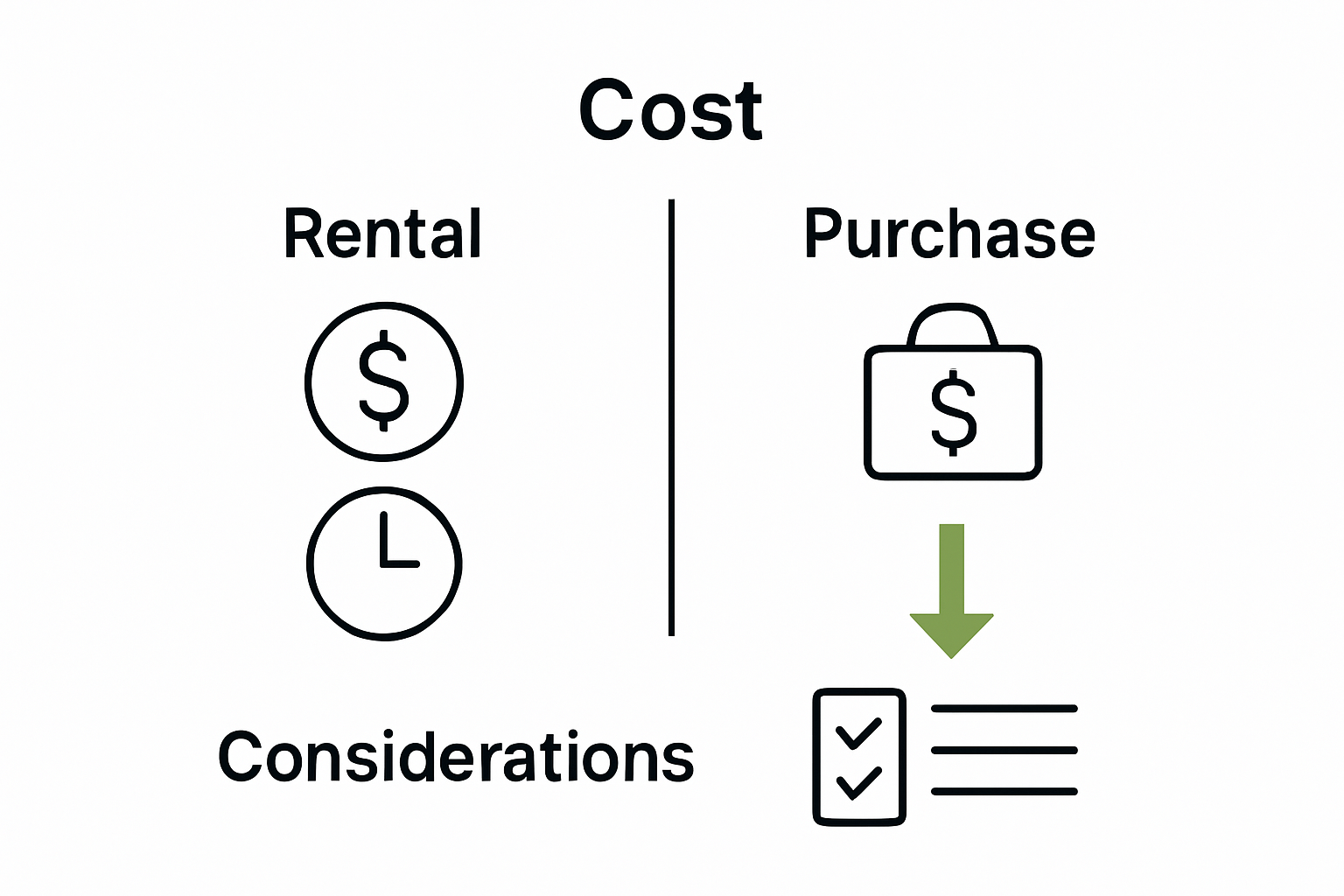
The rental versus purchase decision hinges on multiple financial and strategic factors. Purchased displays typically range from $5,000 to $50,000, depending on complexity and customization, while rental options can cost between $2,000 and $15,000 per event. Smaller businesses or those participating in occasional trade shows often find rental more economical, as it eliminates storage costs, maintenance expenses, and the substantial initial capital investment. Larger corporations with frequent exhibition schedules might discover that purchasing becomes more cost-effective over multiple years.
Budgeting for trade show displays requires a comprehensive approach that extends beyond the initial display cost. Smart financial planning incorporates additional expenses such as transportation, storage, graphic design, technology integration, and on-site staffing. Successful exhibitors develop holistic budgets that account for both direct and indirect costs, creating financial strategies that maximize return on investment. Advanced planning can unlock significant cost-saving opportunities, including early booking discounts, modular design options, and multi-event package rates.
Key budgeting considerations include:
- Total cost of ownership analysis
- Frequency of trade show participation
- Storage and maintenance expenses
- Graphic design and branding costs
- Technology and multimedia integration
- Transportation and logistics
- Staff training and deployment
Ultimately, the most effective trade show display strategy balances financial pragmatism with strategic brand positioning, recognizing that your exhibition presence is an investment in potential business relationships and market visibility.
Common Mistakes and How to Avoid Them
Trade show booth design is an intricate process fraught with potential pitfalls that can undermine even the most ambitious marketing strategies. Creative trade show booth ideas can help businesses sidestep common mistakes by emphasizing strategic planning and thoughtful execution. The most critical errors often stem from inadequate preparation, poor design choices, and a lack of comprehensive event strategy.
Design-related mistakes frequently derail exhibition success. Overcrowded booth layouts create visual chaos that overwhelms potential clients, while weak branding fails to communicate a clear message. Successful exhibitors understand that booth design must balance aesthetic appeal with functional navigation, creating intuitive spaces that guide visitors through a compelling narrative. Technology integration represents another critical consideration—outdated or poorly implemented digital elements can appear amateurish, while seamlessly integrated interactive experiences captivate and engage attendees.
Operational preparedness distinguishes professional exhibitors from novices. Many businesses underestimate the importance of comprehensive staff training, lead capture strategies, and pre-show marketing efforts. Effective trade show participation requires a holistic approach that extends beyond physical booth design. This includes developing clear engagement protocols, training staff to recognize and qualify potential leads, and creating follow-up strategies that maximize the return on exhibition investments.
Key mistakes to avoid include:
- Neglecting pre-show marketing and attendee outreach
- Failing to train staff on engagement and lead capture
- Overcrowding booth space with excessive elements
- Weak or inconsistent branding
- Inadequate technology integration
- Overlooking visitor flow and interaction design
- Skipping comprehensive logistical planning
Ultimately, successful trade show participation requires a strategic approach that anticipates potential challenges, creates flexible solutions, and maintains a laser focus on delivering value to potential clients and partners.
Elevate Your Trade Show Presence with Expert Display Solutions
Navigating the complexities of trade show displays can feel overwhelming. From choosing the right modular or custom booth to managing logistics and ensuring effective visitor flow, the challenges are real. You want a display that not only captures attention with strategic lighting and immersive design but also aligns perfectly with your brand messaging and budget. Recognizing common obstacles like poor booth layout, weak branding, or inadequate staff engagement is the first step toward transforming your trade show experience.
At Adam Expo Stand, we specialize in turning these challenges into opportunities with our personalized, turnkey exhibition services. Whether you need flexible trade booth rental design or a fully custom stand, our team handles everything from conceptual 3D design to on-site assembly and comprehensive logistics management. Our commitment to innovation and sustainability helps you create visually impactful, functional displays that foster meaningful connections. Ready to overcome trade show struggles and make a lasting impression? Discover how our expert solutions can elevate your brand visibility by visiting Adam Expo Stand to start your journey today.
Frequently Asked Questions
What is a trade show display?
A trade show display is a marketing platform where businesses visually present their brand, products, and services during industry events, creating an engaging environment to attract and connect with potential clients and partners.
What are the different types of trade show displays?
Trade show displays come in various types, including modular exhibits, portable displays (like pop-up displays and banner stands), custom-built stands, and virtual displays, each catering to specific marketing goals and spatial needs.
How can I design an effective trade show display?
To design an effective trade show display, focus on creating visually striking graphics, utilizing strategic lighting, ensuring smooth visitor flow, and integrating interactive technology elements to engage attendees and clearly communicate your brand’s message.
What are common mistakes to avoid when participating in trade shows?
Common mistakes include neglecting pre-show marketing, overcrowding booth space, failing to properly train staff, and overlooking logistics planning, all of which can undermine the effectiveness of your trade show presence.
Recommended
- Success Exhibiting at IFEMA Madrid: The Ultimate Exhibitor Guide
- The Ultimate Guide to Trade Booth Rental Design in Europe | Adam Expo Stand Solutions
- The Ultimate Guide to Trade Show Booth Types and Strategies | Adam Expo Stand Solutions
- Types of Exhibition Stands | Choose the Best for Your Brand
- Must-Have Tabletop Game Organizers for a Seamless Experience