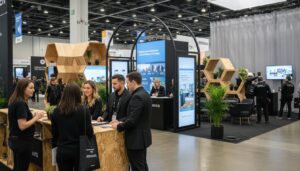
Sustainable Expo Stands: Boosting Impact and Eco Value
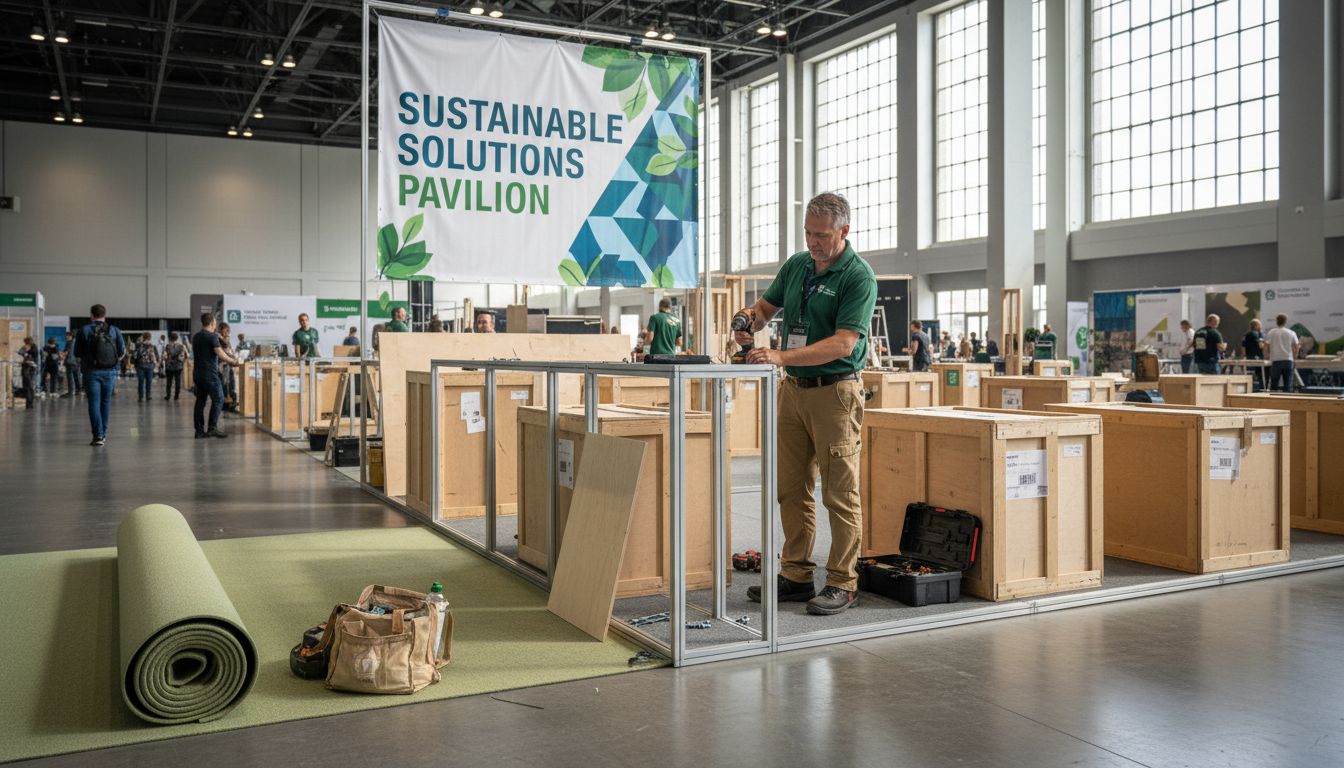
Most American exhibitors still believe eco-friendly trade show displays look plain or cost too much, yet studies reveal over 60 percent of American businesses say customers want visible green practices. Sustainable expo stands go far beyond recycled materials, blending smart design, impressive visuals, and real savings. Understanding the new generation of sustainable booths helps brands move past old misconceptions and discover how these solutions bring both creative freedom and serious business advantages.
Table of Contents
- Defining Sustainable Expo Stands and Misconceptions
- Types of Sustainable Booth Solutions
- Key Eco-Friendly Materials and Features
- Benefits for Brands and Exhibitors
- Challenges, Costs, and How to Avoid Pitfalls
Key Takeaways
| Point | Details |
|---|---|
| Sustainable Expo Stands Redefine Trade Shows | They integrate ecological responsibility with innovative design, enhancing brand communication without compromising aesthetics. |
| Misconceptions About Cost and Quality | Sustainable stands are not inherently expensive and can actually improve visual appeal, proving that ecological considerations enhance rather than limit creativity. |
| Strategic Benefits for Brands | Adopting sustainable practices leads to financial savings, improved brand perception, and operational efficiencies that resonate with environmentally conscious consumers. |
| Navigating Challenges | Effective sustainable design requires comprehensive planning and understanding of both business objectives and environmental impacts to mitigate common hurdles in adoption. |
Defining Sustainable Expo Stands and Misconceptions
Sustainable exhibition stands represent a strategic evolution in trade show design, moving far beyond simplistic environmental considerations. Sustainable expo stands are comprehensive solutions that integrate ecological responsibility with innovative design, performance, and economic practicality. Unlike traditional misconceptions, these stands are not just about using recycled materials, but about creating holistic, intelligent display systems that minimize environmental impact while maximizing brand communication.
Contrary to popular belief, sustainable stands are not prohibitively expensive or aesthetically limiting. Modern sustainable exhibition stand design demonstrates that ecological considerations can actually enhance visual appeal and functional performance. Key characteristics include:
- Modular construction allowing multiple configuration options
- Use of renewable or recyclable materials like FSC-certified wood
- Lightweight designs reducing transportation carbon footprint
- Reusable components that can be adapted for multiple events
- Energy-efficient lighting and digital display technologies
The most pervasive misconception surrounding sustainable expo stands is that they compromise visual quality or brand representation. Research consistently shows the opposite – intelligent sustainable design can create more memorable, engaging experiences. By selecting materials strategically and employing innovative fabrication techniques, brands can develop stands that are both environmentally responsible and aesthetically compelling.
Advanced sustainable stands go beyond material selection, incorporating comprehensive lifecycle considerations. This means evaluating carbon emissions from manufacturing, transportation, assembly, and eventual disposal or recycling. Smart exhibitors recognize that sustainability is not a constraint but a competitive advantage, offering opportunities to demonstrate corporate values while creating visually striking, technologically advanced exhibition environments.
Types of Sustainable Booth Solutions
Sustainable booth solutions have evolved dramatically, offering exhibitors sophisticated options that balance environmental responsibility with cutting-edge design and functionality. Modular booth systems represent a primary strategy in sustainable exhibition design, providing flexible, adaptable frameworks that dramatically reduce waste and resource consumption. Modular booth solutions enable companies to create highly customizable displays that can be reconfigured, repurposed, and reused across multiple events.
The primary categories of sustainable booth solutions include:
- Reusable Modular Stands
- Lightweight aluminum frame structures
- Interchangeable graphic panels
- Easy transportation and storage configurations
- Recycled Material Booths
- Constructed from post-consumer recycled plastics
- Biodegradable composite materials
- Minimal environmental footprint
- Digital and Hybrid Displays
- Minimal physical infrastructure
- Digital screens replacing traditional graphic panels
- Reduced material consumption
Advanced sustainable booth solutions leverage innovative technologies like 3D printing and digital fabrication to minimize material waste. These techniques allow precise material usage, reducing excess and enabling intricate, lightweight designs that were previously impossible. Exhibitors can now create complex booth structures with significantly reduced environmental impact, using advanced computational design and sustainable manufacturing processes.
The strategic selection of sustainable booth solutions goes beyond environmental considerations. These approaches offer tangible business advantages, including reduced shipping costs, faster setup times, and enhanced brand perception. Smart exhibitors recognize that sustainable booth design is not a compromise but a sophisticated approach to creating memorable, impactful trade show experiences that demonstrate corporate commitment to responsible innovation.
Key Eco-Friendly Materials and Features
The landscape of eco-friendly exhibition materials has transformed dramatically, offering exhibitors unprecedented opportunities to create sustainable, visually compelling booth designs. Recycled and renewable materials now form the cornerstone of innovative exhibition solutions, enabling brands to dramatically reduce their environmental footprint while maintaining exceptional aesthetic and functional standards. Exhibition stand fabrication has evolved to incorporate advanced sustainable technologies that reimagine traditional design constraints.
Key eco-friendly materials revolutionizing exhibition stand construction include:
- Recycled Composite Materials
- Post-consumer PET plastic panels
- Reclaimed wood fiber composites
- Biodegradable polymer structures
- Innovative Glass Solutions
- ECO-Glass made from recycled glass fragments
- Low-emission transparent panels
- Lightweight, durable glass alternatives
- Natural and Renewable Resources
- FSC-certified bamboo structures
- Cork panel inserts
- Hemp-based composite materials
Beyond material selection, sustainable exhibition stands now integrate advanced energy-efficient features that transform booth design from passive display to active environmental statement. Solar-powered charging stations, LED lighting systems with minimal energy consumption, and digital displays replacing traditional printed graphics represent sophisticated strategies for reducing carbon impact. These technologies not only minimize environmental burden but also create engaging, interactive experiences that demonstrate a brand’s commitment to innovative sustainability.
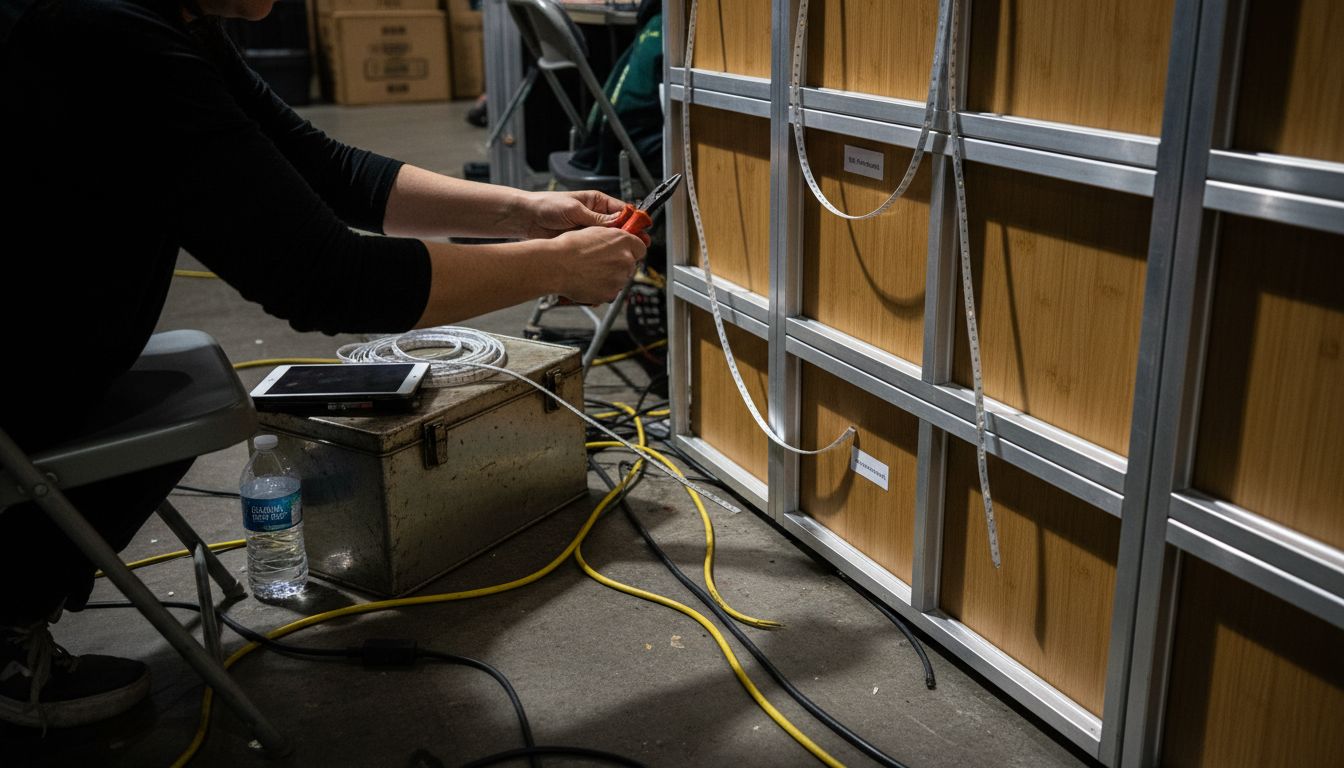
The true power of eco-friendly materials lies in their ability to challenge traditional perceptions of sustainable design. Modern exhibition stands prove that environmental responsibility does not require compromising visual impact or technological sophistication. By selecting intelligent materials and integrating cutting-edge design principles, exhibitors can create stand experiences that are simultaneously stunning, functional, and deeply committed to planetary wellness.
Benefits for Brands and Exhibitors
Sustainable exhibition strategies are transforming how brands approach trade show participation, offering substantial advantages that extend far beyond traditional environmental considerations. Companies are discovering that eco-friendly booth solutions deliver comprehensive benefits encompassing financial savings, brand perception, and operational efficiency. Investing in trade show booths has evolved from a marketing expense to a strategic opportunity for demonstrating corporate responsibility and innovation.
Key benefits for brands and exhibitors include:
- Financial Advantages
- Reduced long-term material costs
- Lower transportation and storage expenses
- Decreased booth reconstruction expenses
- Brand Perception Benefits
- Enhanced corporate sustainability credentials
- Positive reputation among environmentally conscious consumers
- Differentiation from competitors
- Operational Improvements
- Simplified logistics with modular designs
- Faster setup and breakdown times
- Increased flexibility for multiple event configurations
Beyond immediate economic advantages, sustainable exhibition approaches create powerful narrative opportunities for brands. Modern consumers and business professionals increasingly value organizations that demonstrate genuine commitment to environmental stewardship. By implementing eco-friendly booth solutions, companies can communicate their values through tangible actions, transforming trade show appearances into meaningful statements about corporate ethics and forward-thinking leadership.
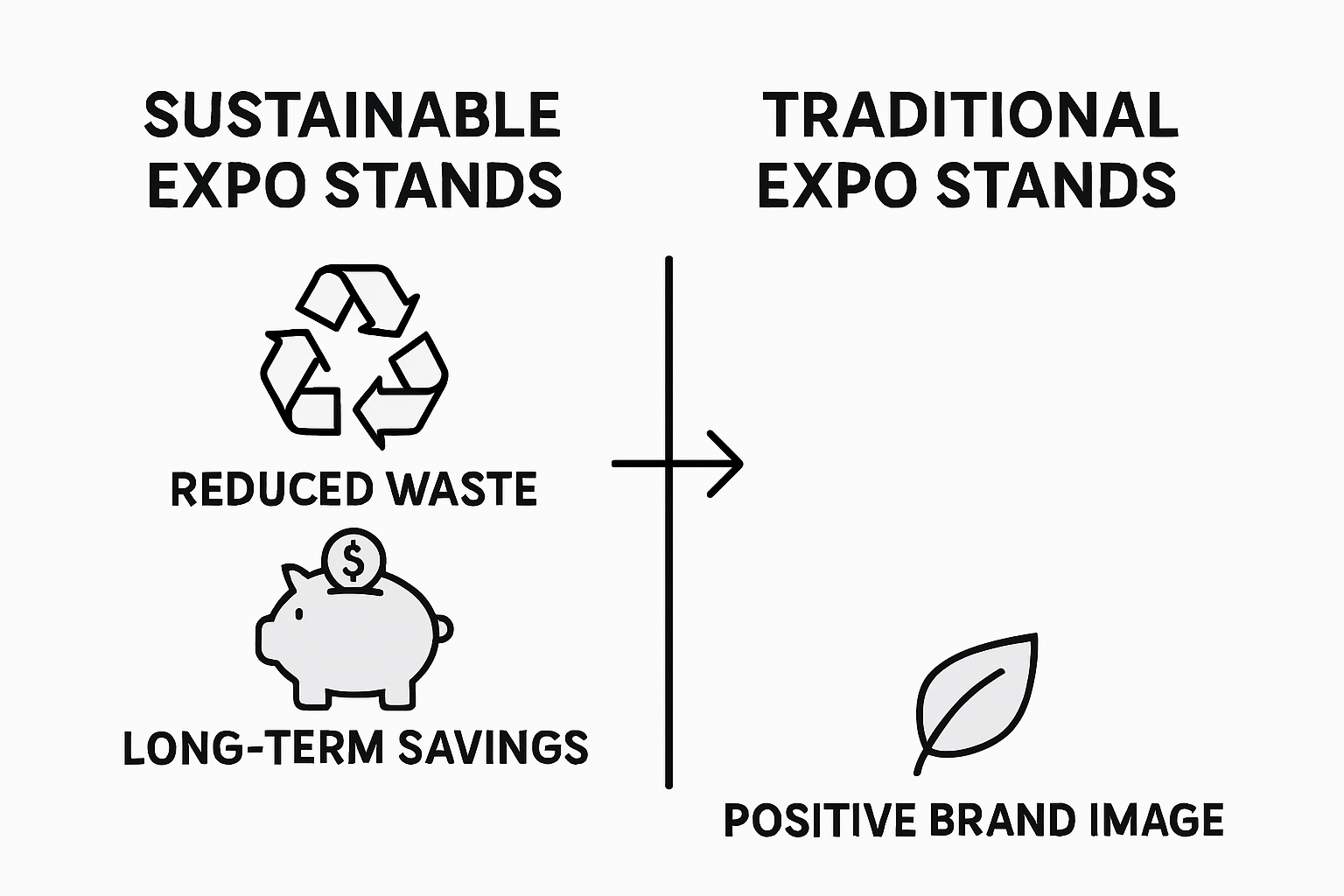
The strategic implementation of sustainable exhibition practices represents more than an environmental choice. It is a sophisticated business approach that aligns marketing objectives with global sustainability trends, positioning brands as innovative, responsible, and visionary. Companies that embrace these strategies not only reduce their ecological footprint but also create compelling stories that resonate with increasingly environmentally aware audiences.
Challenges, Costs, and How to Avoid Pitfalls
Sustainable exhibition design presents unique challenges that require strategic planning and nuanced understanding of both environmental and business objectives. Exhibitors often encounter misconceptions about cost, complexity, and performance of eco-friendly booth solutions that can create unnecessary barriers to adoption. Exhibition stand fabrication has evolved to address these challenges, providing sophisticated strategies for managing sustainable design investments.
Common challenges and practical mitigation strategies include:
- Initial Investment Concerns
- Higher upfront material costs
- Complex design requirements
- Potential technology integration expenses
- Design and Aesthetic Limitations
- Perceived restrictions on visual creativity
- Concerns about material durability
- Technical compatibility with brand image
- Operational Adaptation
- Staff training for new booth systems
- Logistics of modular configurations
- Redesigning existing exhibition approaches
Successful sustainable exhibition strategies demand a holistic approach that balances economic considerations with environmental goals. Smart exhibitors recognize that initial investments in modular, reusable systems generate substantial long-term savings through reduced material procurement, lower transportation costs, and minimized waste management expenses. By selecting adaptable design solutions and working with specialized exhibition partners, brands can overcome traditional barriers and create innovative, cost-effective booth experiences.
The most effective approach to sustainable exhibition design involves comprehensive planning, ongoing education, and a willingness to challenge conventional marketing strategies. Companies must view sustainable booth solutions not as an expense, but as a strategic investment in brand reputation, operational efficiency, and environmental responsibility. Those who embrace this perspective will discover that sustainable exhibition design offers far more opportunities than challenges.
Elevate Your Brand with Sustainable Expo Stand Solutions
Facing the challenge of balancing impactful trade show presence with genuine eco-responsibility is no longer a barrier. If you are seeking to overcome misconceptions about cost, design limitations, or complexity related to sustainable exhibition stands, Adam Expo Stand offers tailored solutions that align perfectly with these goals. By embracing modular, reusable systems and innovative fabrication techniques described in the article, you can reduce your environmental footprint without compromising visual appeal or brand messaging.
Discover how our comprehensive services at Adam Expo Stand can transform your trade show strategy through personalized, turnkey designs that incorporate eco-friendly materials and energy-efficient features. From initial concept to on-site assembly, our expertise ensures your sustainable booth maximizes engagement and operational efficiency. Ready to lead with innovation and responsible branding? Explore our exhibition stand design and fabrication solutions and take the first step toward a sustainable trade show presence that truly resonates.
Frequently Asked Questions
What are sustainable expo stands?
Sustainable expo stands are exhibition solutions designed with ecological responsibility in mind, integrating innovative designs, renewable materials, and performance efficiency to minimize environmental impact while maximizing brand communication.
How do sustainable exhibition stands impact my overall event costs?
Sustainable exhibition stands can lead to long-term savings through reduced material costs, lower transportation expenses, and minimized waste management, ultimately making them a cost-effective choice over time.
What materials are commonly used in sustainable booth solutions?
Common materials include recycled composite materials, post-consumer plastics, biodegradable composites, FSC-certified wood, and innovative glass solutions, all aimed at reducing the environmental footprint of exhibition stands.
What are the advantages of modular booth systems?
Modular booth systems offer flexibility, allowing for customization across different events. They are lightweight, easily transportable, reduce waste through reusability, and facilitate faster setup and takedown processes.
Recommended
- Eco-Friendly Exhibition Stand Design | Maximize ROI with Sustainability
- Success Exhibiting at IFEMA Madrid: The Ultimate Exhibitor Guide
- FREQUENTLY ASKED QUESTIONS | Adam Expo Stand Solutions
- Types of Exhibition Stands: Choose the Right Booth
- Sustainable Office Solutions: Complete Guide for 2025 – Projector Display