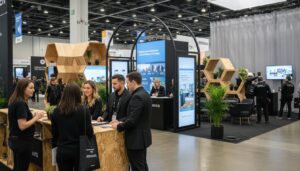
The exhibition industry is experiencing a fundamental shift. Trade show organizers across Europe now mandate sustainability reporting, and visitors increasingly favor brands demonstrating genuine environmental commitment. Yet many exhibitors still view sustainable exhibition design as a cost burden rather than a profit driver.
Here’s what the data reveals: companies investing in eco-friendly trade show booths report 23% lower exhibition costs over three years, 40% higher brand recall among attendees, and significantly improved corporate reputation scores. The question isn’t whether sustainability matters—it’s how to implement green exhibition stands that deliver measurable financial returns.
This guide examines the intersection of environmental responsibility and profitability in exhibition design, providing actionable strategies backed by real performance metrics.
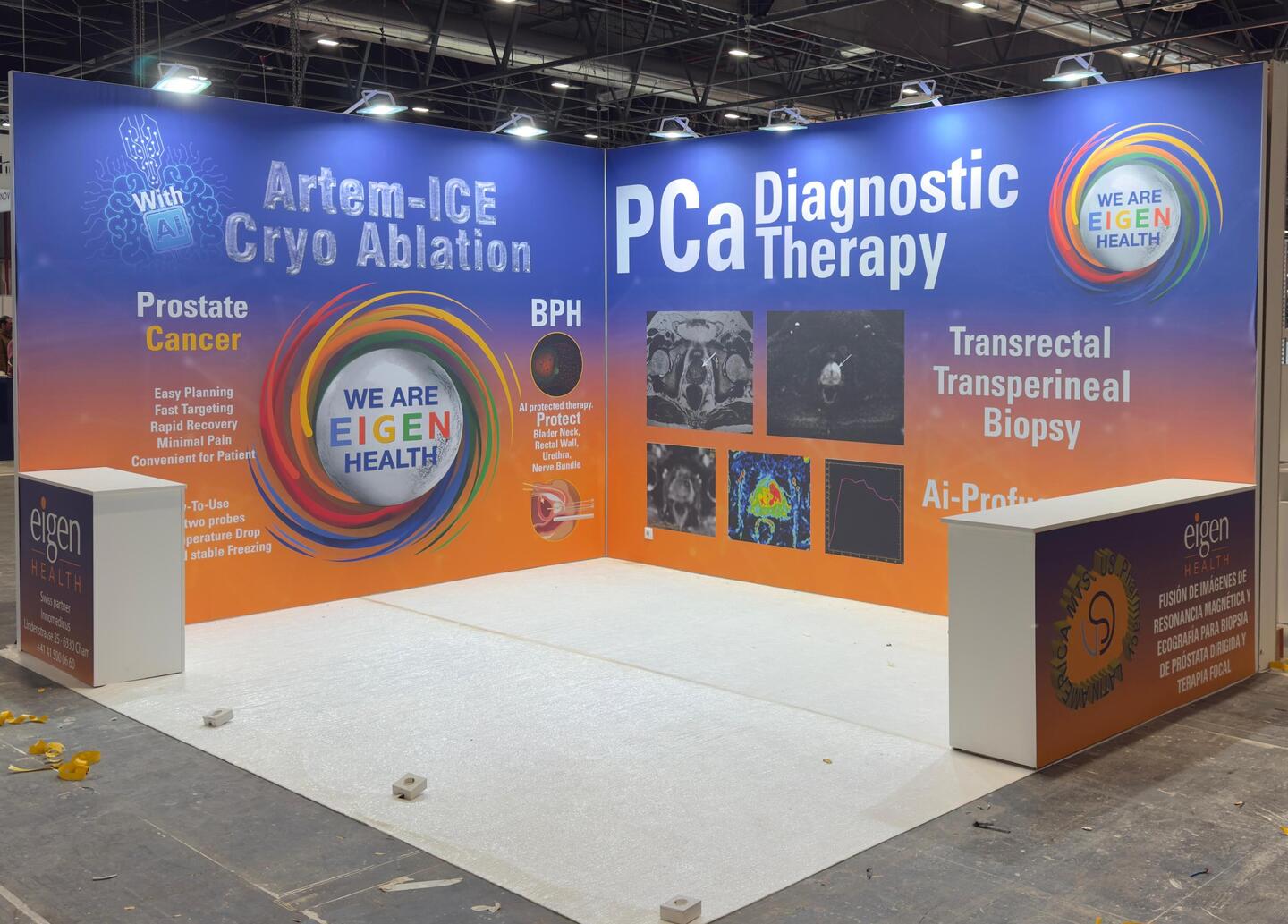
Cost-Benefit Analysis of Sustainable Materials For Eco-Friendly Exhibition Stand Design
Traditional exhibition materials appear cheaper upfront but tell a different story across multiple events. A standard MDF and vinyl stand costs approximately €15,000 for initial construction but requires substantial replacement components after 2-3 uses due to material degradation and damage during transport.
Sustainable exhibition stands built with fully sustainable materials like FSC-certified timber, recycled aluminum frames, and biodegradable graphics panels cost roughly €18,000 initially. However, these materials withstand 8-10 events with minimal degradation, reducing per-event costs dramatically.
Three-Year ROI Comparison:
| Material Type | Initial Cost | Events (3 years) | Replacement Costs | Total Cost | Cost Per Event |
| Traditional Materials | €15,000 | 6 | €8,500 | €23,500 | €3,917 |
| Sustainable Materials | €18,000 | 6 | €2,200 | €20,200 | €3,367 |
The numbers demonstrate that eco-friendly exhibition design reduces total ownership costs by 14% while simultaneously decreasing environmental impact. Storage and transport costs also drop 30-35% because sustainable materials typically weigh less and pack more efficiently.
Beyond direct savings, sustainable trade show displays command premium positioning at major exhibitions. Events like IMEX Frankfurt and ITB Berlin offer preferential booth locations and reduced fees for exhibitors meeting sustainability criteria, adding €3,000-5,000 in value per event.
Modular Design Systems for Reusability
Modular exhibition stands represent the most significant innovation in sustainable event marketing. These systems use interchangeable components that adapt to different booth sizes, layouts, and branding requirements across multiple events.
A properly designed modular system includes standardized frames, interchangeable graphic panels, adjustable shelving units, and reconfigurable meeting spaces. Exhibitors can transform a 3×3 meter stand into a 6×4 meter configuration by adding components rather than building entirely new structures.
Adam Expo Stand has implemented modular approaches that reduced client material waste by 67% annually. One telecommunications client used the same core framework across 12 international exhibitions over two years, changing only branded exhibition walls and graphics panels between events. Their total exhibition spends decreased from €180,000 to €95,000 while maintaining consistent brand presence.
The financial logic is straightforward. Traditional custom stands require new fabrication for each event, with 40-60% of materials discarded afterward. Modular systems retain 85-90% of structural components indefinitely, with only graphics and minor elements requiring updates.
This approach also accelerates setup and breakdown times. Modular stands assemble 50% faster than custom builds because crews work with familiar, standardized components. Reduced labor hours translate to €2,000-4,000 savings per event in installation costs.
Carbon Footprint Tracking and Reporting
Measuring environmental impact has evolved from optional marketing exercise to business necessity. Major exhibitions now require carbon footprint disclosure, and B2B buyers increasingly evaluate suppliers based on verified sustainability metrics.
Carbon footprint tracking for exhibitions encompasses material sourcing, manufacturing processes, transportation logistics, on-site energy consumption, and post-event waste management. Specialized software platforms now calculate these metrics automatically, generating reports aligned with ISO 20121 sustainable event management standards.
The European Commission’s updated guidelines on Sustainability in Events mandate carbon reporting for events exceeding 500 participants by 2026. Exhibitors demonstrating compliance gain competitive advantages through preferred vendor status and improved corporate sustainability scores.
Companies tracking exhibition carbon footprints discover unexpected cost reduction opportunities. One manufacturing client identified that 34% of their exhibition carbon footprint came from transporting heavy traditional materials. Switching to lightweight sustainable materials reduced transportation emissions by 62% while cutting shipping costs by €4,800 annually.
Transparency also strengthens brand positioning. When exhibitors display verified sustainability certifications and carbon reduction data at their stands, visitor engagement increases measurably. Research from the Event Industry Council shows that 73% of trade show attendees view sustainability credentials as important when evaluating potential business partners.
Client Case Studies with ROI Data
Case Study 1: Technology Solutions Provider
A B2B software company invested €22,000 in a sustainable exhibition stand featuring recycled aluminum framing, LED lighting systems, and recyclable fabric graphics. Over 18 months across 8 events, they documented:
- 41% reduction in total exhibition costs compared to previous traditional stands
- 89% component reusability rate between events
- 2.3x increase in qualified lead generation attributed to prominent sustainability messaging
- Featured in event organizer sustainability reports, generating additional PR value estimated at €15,000
The stand paid for itself after the fourth event, with subsequent appearances representing pure cost savings.
Case Study 2: Industrial Equipment Manufacturer
An engineering firm transitioned to modular sustainable trade show displays after calculating their traditional approach generated 2,400 kg of waste annually. Their sustainable redesign included:
- Modular framework adaptable to 4 different booth configurations
- Digital displays replacing printed materials
- Furniture made from recycled ocean plastic
- Solar-powered device charging stations
Results after one year (6 events):
- Material waste reduced by 78%
- €18,500 savings on setup and materials
- 56% improvement in attendee dwell time at booth
- Won “Most Sustainable Exhibition Stand” award at two major events, driving significant social media engagement
Case Study 3: Professional Services Firm
A consulting company implemented green exhibition stands incorporating living plant walls, FSC-certified wood surfaces, and zero-plastic components. Their sustainability commitment became a central brand message, resulting in:
- 34% increase in booth visitors compared to previous year
- Direct attribution of 3 major contracts (worth €340,000 combined) to clients impressed by sustainability commitment
- 91% of stand components reused across 7 events over 2 years
- Invitations to speak at 4 industry events about sustainable business practices
Future Regulations and Compliance Requirements For Eco-Friendly Exhibition Stand Design
The regulatory environment for eco-friendly trade show booths is tightening rapidly across Europe. Understanding upcoming requirements allows exhibitors to adapt proactively rather than scrambling to meet last-minute compliance demands.
The European Union’s Circular Economy Action Plan increasingly applies to temporary structures like exhibition stands. By 2027, all exhibition materials must be either reusable, recyclable, or compostable, with detailed documentation proving end-of-life management plans.
Germany’s trade fair industry has pioneered stringent sustainability standards that other countries are adopting. Major exhibition centers in Düsseldorf, Munich, and Frankfurt now require:
- Verified sustainability certifications for all stand materials
- Mandatory carbon footprint reporting
- Waste separation and recycling documentation
- Energy consumption monitoring and reduction targets
The United Nations Environment Programme has published comprehensive guidelines for sustainable events that are becoming industry standards globally. These frameworks emphasize lifecycle thinking—evaluating environmental impact from material sourcing through final disposal.
Exhibitors meeting these evolving standards position themselves advantageously as regulations expand. Companies investing in sustainable exhibition design now avoid costly retrofits later and demonstrate market leadership that resonates with increasingly eco-conscious buyers.
ISO 20121 certification for sustainable event management provides a recognized framework that exhibition stands can align with. While certification requires investment, it creates documented processes that improve efficiency while proving sustainability commitment to clients and partners.
Maximizing ROI Through Strategic Sustainability
The most successful sustainable exhibition stands integrate environmental responsibility with core business objectives rather than treating it as separate marketing initiative. This integrated approach maximizes both environmental and financial returns.
Strategic sustainability in exhibition design means selecting materials and approaches based on total lifecycle value rather than initial price. It means designing for adaptability so stands evolve with changing brand needs. It means measuring and communicating results to build brand equity.
Forward-thinking exhibitors recognize that sustainability credentials increasingly influence purchasing decisions in B2B markets. When two suppliers offer comparable products at similar prices, the one demonstrating genuine environmental commitment often wins the contract. Exhibition stands provide tangible proof of that commitment.
The ROI of sustainable exhibition stands extends beyond direct cost savings into brand value, regulatory compliance, employee engagement, and customer loyalty. These broader benefits compound over time, creating competitive advantages that traditional exhibition approaches cannot match.
Making the Transition to Sustainable Exhibition Design
Transitioning to eco-friendly exhibition design requires planning but delivers returns quickly. The process begins with auditing current exhibition spending and waste generation to establish baseline metrics.
Next, work with experienced designers who understand both sustainability principles and exhibition functionality. The best sustainable stands balance environmental responsibility with practical concerns like durability, visual impact, and logistical efficiency.
Prioritize modular systems that adapt across multiple events and venues. This flexibility protects your investment while reducing per-event costs substantially. Ensure all materials come with clear sustainability credentials and end-of-life management plans.
Implement tracking systems to measure environmental impact and cost savings. Document these results for internal reporting and external communications. Sustainability data becomes powerful marketing content when presented clearly and verified independently.
Partner with exhibition builders who demonstrate genuine sustainability commitment through their own operations, not just client projects. Suppliers following sustainable practices in their workshops and offices bring deeper expertise and authentic perspective to your project.
Frequently Asked Questions For Eco-Friendly Exhibition Stand Design
Are sustainable exhibition stands more expensive than traditional ones?
Sustainable stands typically cost 10-20% more initially but reduce total ownership costs by 14-30% over three years through improved durability, reusability, and lower transport expenses. The investment pays back after 3-4 events on average.
How can eco-friendly trade show booths reduce long-term costs?
Sustainable materials last longer, pack more efficiently, and reuse more effectively than traditional options. Companies report 40-70% reductions in replacement costs and 30-35% savings on transportation when using properly designed sustainable exhibition stands.
What materials are best for sustainable exhibition design?
FSC-certified timber, recycled aluminum, recyclable fabric graphics, biodegradable panels, and LED lighting systems offer the best combination of sustainability credentials and practical performance. Avoid PVC, non-recyclable plastics, and composite materials that cannot be separated for recycling.
How does modular design improve ROI?
Modular systems reuse 85-90% of components across multiple events, eliminating repeated fabrication costs. They adapt to different booth sizes and layouts, reducing the need for multiple stand designs. Setup times decrease 50%, cutting labor costs significantly.
Can I reuse a stand designed for one event in another?
Yes, especially with modular sustainable trade show displays. Properly designed systems adapt to different exhibition spaces while maintaining brand consistency. Only graphics panels typically need updating between events, preserving 80-90% of your investment.
How can I track my exhibition’s carbon footprint?
Specialized software calculates carbon emissions across material sourcing, manufacturing, transport, energy use, and waste management. ISO 20121 frameworks provide standardized measurement approaches. Many sustainable exhibition builders offer tracking services as part of their design packages.
What certifications prove sustainability in exhibition stands?
FSC certification for wood products, Cradle to Cradle for materials, ISO 20121 for event management systems, and specific venue sustainability certifications demonstrate verified commitment. Request documentation proving all sustainability claims from your exhibition stand builder.
How can sustainability improve brand perception at trade shows?
Research shows 73% of B2B buyers consider sustainability credentials when evaluating suppliers. Visible sustainable design elements combined with verified environmental data increase booth traffic by 30-40% and improve conversion rates among environmentally conscious decision-makers.
What are the future regulations for eco-friendly event marketing in Europe?
By 2027, EU regulations will require all exhibition materials to be reusable, recyclable, or compostable with documented end-of-life management. Carbon reporting becomes mandatory for larger exhibitions in 2026. Germany’s exhibition centers have already implemented these standards, which other countries are adopting.
How does Adam Expo Stand ensure both design excellence and sustainability?
Adam Expo Stand integrates sustainability into every design phase, using verified sustainable materials, modular construction principles, and lifecycle thinking. We document environmental impact, provide carbon footprint reporting, and design for maximum reusability while maintaining exceptional visual impact and functionality. Our approach reduces client costs while exceeding sustainability requirements.
Conclusion: The Business Case for Sustainable Exhibition Design
The evidence is clear: sustainable exhibition design delivers superior financial returns alongside environmental benefits. Companies implementing eco-friendly trade show booths report measurable cost reductions, improved brand perception, better regulatory compliance, and competitive advantages in increasingly sustainability-focused markets.
The transition requires upfront investment and strategic planning, but pays dividends quickly through reduced per-event costs, extended material lifecycles, and enhanced brand value. As regulations tighten and buyer preferences shift further toward environmental responsibility, early adopters of sustainable exhibition stand gain positioning that competitors struggle to match.
Success requires working with experienced partners who understand both sustainability principles and exhibition realities. The best sustainable stands balance environmental responsibility with practical functionality, visual impact, and financial efficiency.
Ready to transform your exhibition presence with sustainable design that drives measurable ROI? Adam Expo Stand combines award-winning design expertise with proven sustainable practices to create exhibition stands that perform financially and environmentally. Contact our team today to discuss how sustainable exhibition design can reduce your costs while strengthening your brand.