How to Design Trade Show Booth for Impactful Exhibits
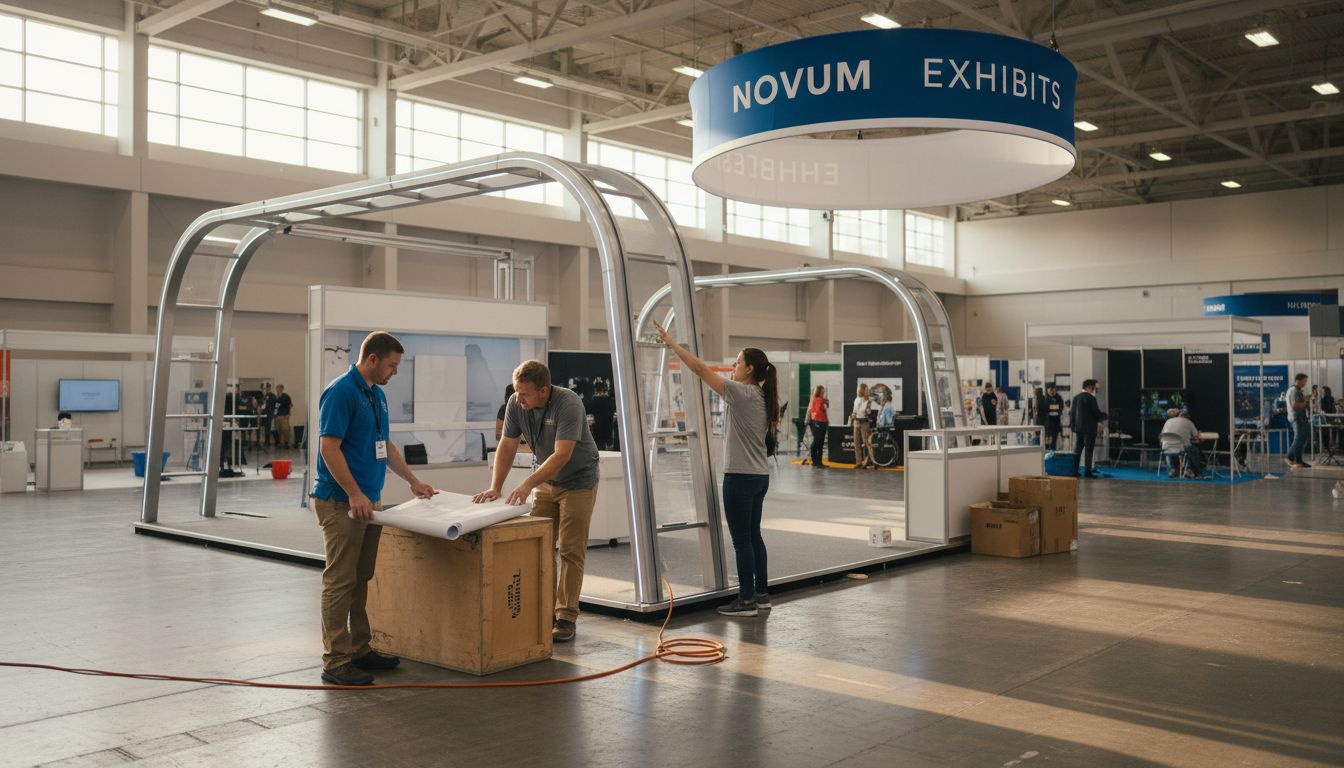
Over 80 percent of American exhibitors say their trade show success hinges on booth strategy and audience alignment. Without clearly defined goals and a deep understanding of visitor needs, even impressive displays can miss their mark. Whether you are showcasing new technology or building brand connections, learning how to translate your objectives into a compelling booth experience is essential for standing out on a crowded show floor.
Table of Contents
- Step 1: Define Booth Objectives And Audience Needs
- Step 2: Develop A Functional And Branded Layout
- Step 3: Select Materials And Sustainable Solutions
- Step 4: Visualize The Design With 3D Modeling
- Step 5: Verify Onsite Functionality And Attendee Flow
Quick Summary
| Key Point | Explanation |
|---|---|
| 1. Clearly Define Objectives | Establish specific goals before booth design to guide decisions related to layout, messaging, and audience engagement. |
| 2. Understand Your Audience | Analyze demographics, interests, and pain points to create a tailored booth that resonates with potential clients or partners. |
| 3. Optimize Booth Layout | Design an inviting, functional layout with designated zones for interaction that enhances traffic flow and visitor experience. |
| 4. Choose Sustainable Materials | Prioritize versatile, eco-friendly materials that ensure durability and minimize environmental impact while maintaining visual appeal. |
| 5. Test Booth Functionality | Conduct a thorough pre-event walkthrough to ensure all design elements work smoothly and facilitate effective visitor engagement. |
Step 1: Define booth objectives and audience needs
Before designing a trade show exhibit, you need a crystal clear understanding of your strategic goals and target audience. This foundational planning stage determines everything about your booth’s design, layout, and messaging.
Start by conducting a comprehensive assessment of your primary trade show objectives. Are you aiming to generate qualified sales leads, showcase a groundbreaking product, build brand awareness, or strengthen industry partnerships? Trade Show Booth Planning Guide recommends conducting a detailed analysis of your specific goals. Each objective requires a different strategic approach and visual communication strategy.
Next, develop a nuanced profile of your target audience. Consider their demographics, professional interests, pain points, and specific expectations from your industry. What motivates them? What challenges are they seeking solutions for? Understanding your audience’s psychology allows you to craft a booth design that speaks directly to their needs. Analyze past event data, industry research, and customer feedback to build an accurate audience persona.
Warning: Generic booth designs rarely capture attention. The more precisely you can align your exhibit with your specific audience’s interests, the more effectively you will engage potential clients or partners. Your booth should feel like a tailored solution, not a one-size-fits-all presentation.
As you move forward, translate these insights into tangible design elements that will transform your booth from a mere space into a compelling narrative about your brand’s unique value proposition.
Step 2: Develop a functional and branded layout
Transforming your strategic objectives into a physical booth design requires careful planning and creative thinking. Your booth layout serves as a visual representation of your brand identity and must effectively communicate your core message while providing a welcoming and functional space for interactions.
Begin by creating a layout that balances visual appeal with practical functionality. Consider your booth’s square footage and design an open floor plan that allows smooth visitor traffic flow. Create the most successful stand design emphasizes the importance of strategic spatial design. Key zones should include a welcoming reception area, product demonstration space, meeting zones, and areas for meaningful conversations with potential clients.
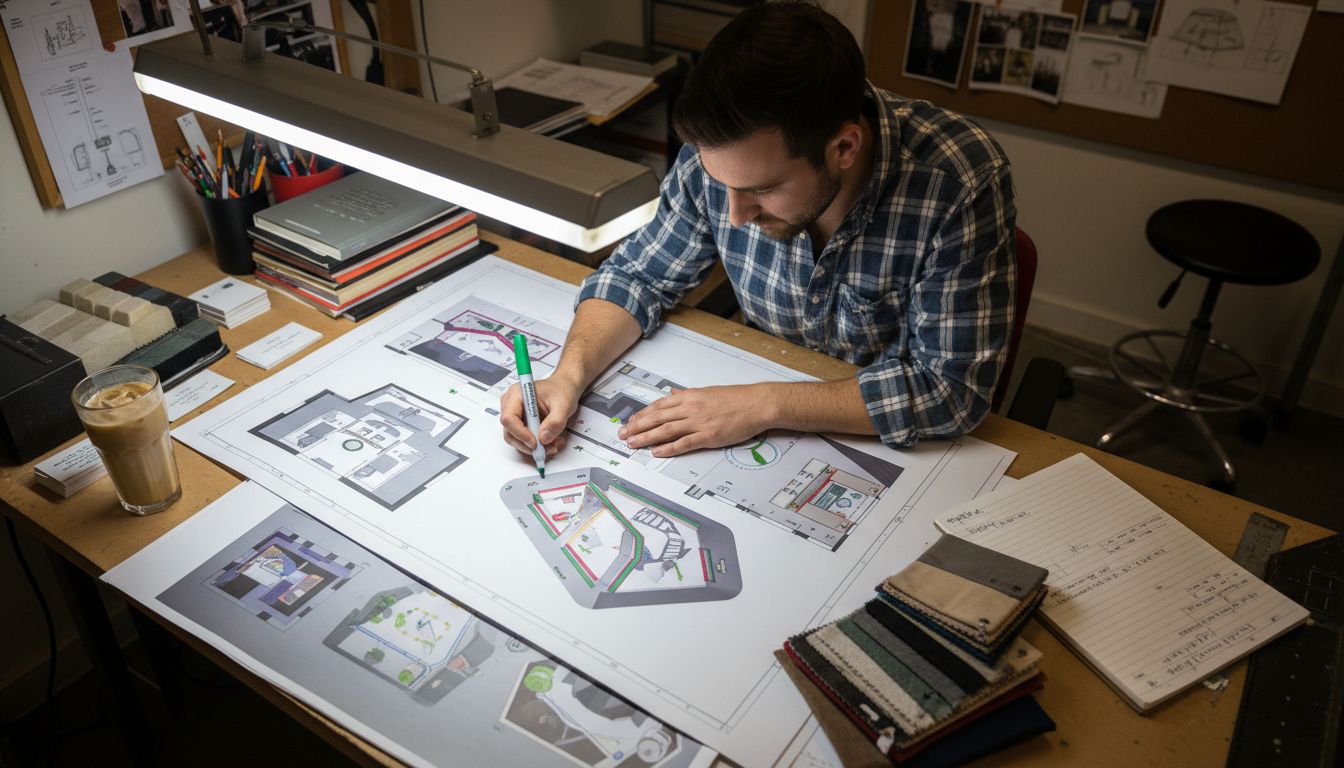
Your branding elements must be strategically integrated throughout the layout. This means consistent color schemes, prominent logo placement, and design elements that reflect your company’s visual identity. Use high-quality graphics, professional signage, and multimedia displays that draw attention and communicate your brand story quickly and effectively.
Pro tip: Think of your booth layout as a three-dimensional marketing tool. Every square foot should serve a purpose. Avoid cluttered designs that overwhelm visitors and instead create intuitive spaces that guide potential clients naturally through your brand narrative.
As you refine your layout, remember that successful booth design is about creating an immersive experience that invites engagement and makes memorable connections with your target audience.
Step 3: Select materials and sustainable solutions
Choosing the right materials for your trade show booth is a critical decision that impacts both your visual presentation and environmental responsibility. Your material selections will directly influence your booth’s aesthetic appeal, durability, transportation logistics, and overall sustainability profile.
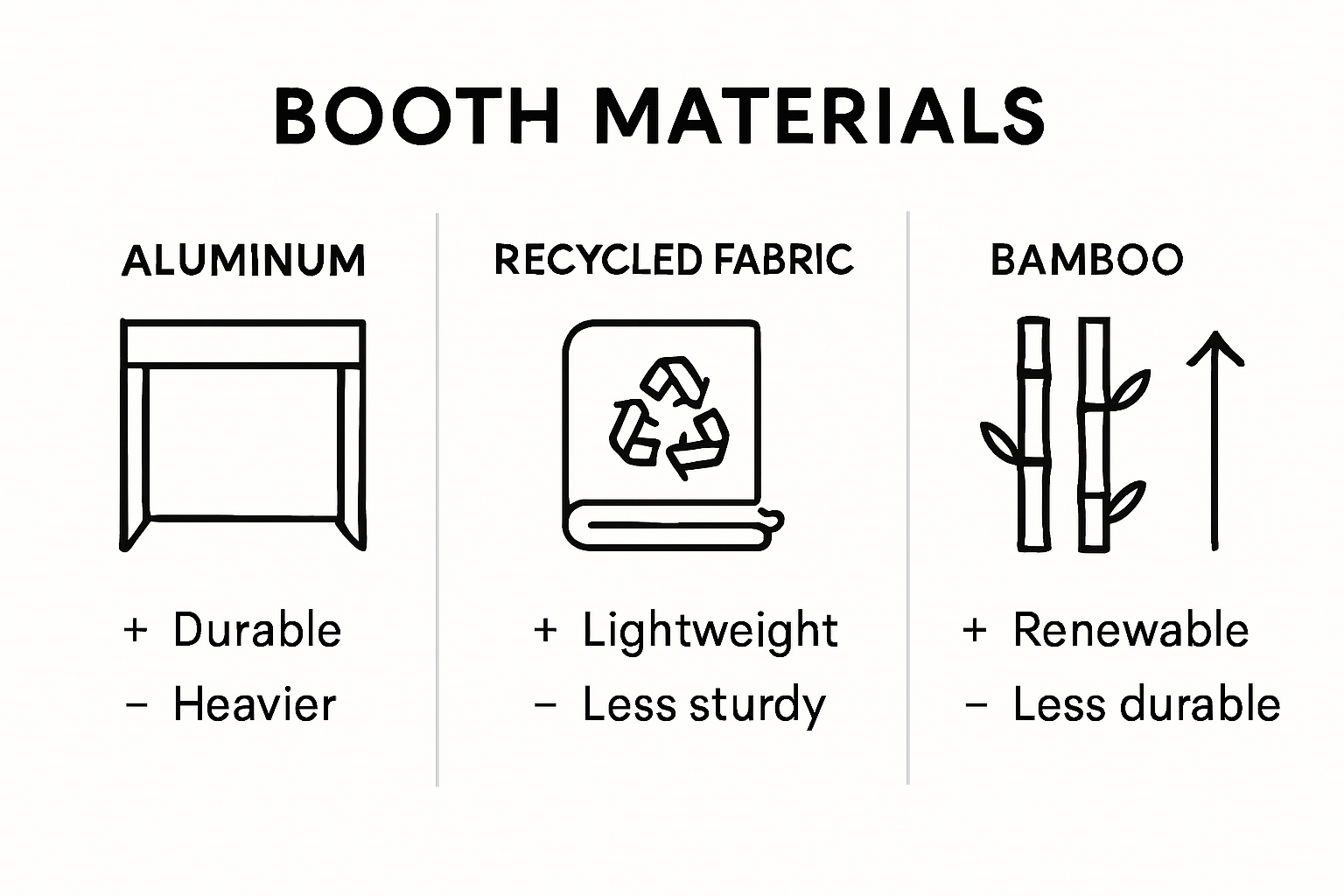
Start by prioritizing materials that offer versatility, lightweight construction, and reusability. Aluminum frames, recyclable fabrics, and modular design components provide excellent flexibility for future events. Sustainable Expo Stands highlights how smart material choices can significantly reduce waste and long-term exhibition costs. Consider materials that can be easily reconfigured, allowing you to adapt your booth design for different event spaces and audience requirements.
Explore eco friendly alternatives that demonstrate your company’s commitment to environmental stewardship. Bamboo, recycled plastics, and responsibly sourced wood can create stunning visual displays while minimizing ecological impact. Look for materials with certifications like Forest Stewardship Council (FSC) approval or those manufactured through sustainable production processes. Prioritize suppliers who offer transparent environmental credentials and can provide detailed information about their manufacturing practices.
Warning: Avoid sacrificing quality for sustainability. Your materials must still meet professional standards for durability, appearance, and performance. The goal is to find a balance between environmental responsibility and creating a compelling, high-quality booth experience.
As you move forward, remember that your material choices are more than a technical decision. They are a powerful statement about your brand’s values and commitment to responsible business practices.
Step 4: Visualize the design with 3D modeling
Transforming your trade show booth concept from abstract ideas to a tangible visual representation requires sophisticated 3D modeling techniques. This critical step allows you to explore design possibilities, identify potential challenges, and refine your booth layout before investing in physical production.
Begin by selecting professional 3D modeling software that offers comprehensive design capabilities. Choose platforms that enable detailed spatial rendering, texture mapping, and realistic material simulations. Advanced software allows you to experiment with different configurations, lighting scenarios, and design elements with remarkable precision. Complete Guide to the Role of Trade Show Booths emphasizes the importance of creating immersive visual representations that capture your brand’s essence and communicate your strategic objectives effectively.
Utilize 3D modeling as a collaborative tool that bridges imagination and execution. Create multiple design iterations that explore various spatial arrangements, color schemes, and interactive zones. Pay close attention to scale, ensuring your virtual model accurately represents actual booth dimensions and potential visitor movement patterns. Incorporate realistic details such as lighting effects, graphic placements, and technological integrations to generate a comprehensive visualization of your final booth design.
Warning: Avoid getting lost in technical details. Your 3D model should serve as a strategic planning tool, not just a visual exercise. Focus on creating a design that balances aesthetic appeal with functional practicality.
As you finalize your 3D visualization, you are preparing to transform your digital concept into a tangible, impactful trade show presence that will captivate and engage your target audience.
Step 5: Verify onsite functionality and attendee flow
The final stage of trade show booth design requires a comprehensive onsite assessment that ensures your carefully crafted concept translates seamlessly into a functional, inviting physical space. This critical verification process will help you identify potential operational challenges and optimize your booth for maximum attendee engagement.
Conduct a thorough walkthrough of your booth layout, meticulously examining every aspect of spatial design and visitor interaction. Trade Show Booth Planning Guide recommends simulating realistic visitor scenarios to test the effectiveness of your design. Map out potential traffic patterns, ensuring clear pathways that prevent congestion and create natural entry and exit points. Consider the placement of demonstration areas, meeting spaces, and interactive zones to facilitate smooth visitor movement and meaningful interactions.
Test all technological integrations, display mechanisms, and interactive elements before the event begins. Verify that product demonstration stations function smoothly, digital displays operate correctly, and presentation equipment is properly configured. Pay special attention to lighting, audio visual setups, and connectivity solutions. Ensure your team understands how to quickly troubleshoot potential technical issues and maintain a professional appearance throughout the event.
Warning: Do not wait until the event starts to discover functional problems. A comprehensive pre event rehearsal can prevent potential embarrassments and ensure your booth operates with maximum efficiency and professionalism.
As you complete your onsite verification, you are transforming your booth from a conceptual design into a dynamic, interactive space ready to make a powerful impression on your target audience.
Elevate Your Trade Show Presence with Expert Booth Design Solutions
Designing a trade show booth that truly captures attention and drives engagement means overcoming challenges like aligning your layout with strategic goals, creating smooth attendee flow, and selecting sustainable materials without compromising quality. The article highlights how crucial it is to translate your objectives into immersive, functional exhibits that connect emotionally with your audience and showcase your brand’s unique value.
At Adam Expo Stand, we understand these demands and specialize in delivering custom and modular booth solutions tailored to your specific needs. From detailed 3D visualization and personalized concept design to turnkey fabrication and on-site assembly, we ensure every element enhances visitor experience and reinforces your brand identity. Our focus on sustainability with reusable stands aligns perfectly with your goal to reduce waste while maintaining professional excellence.
Ready to transform your trade show ambitions into impactful realities Explore our comprehensive exhibition stand design and management services now and see how we can help you achieve a booth that not only attracts but truly engages. Don’t wait until the event—contact Adam Expo Stand today to start crafting an exhibit that leaves a lasting impression.
Frequently Asked Questions
What are the main objectives to consider when designing a trade show booth?
To design an impactful trade show booth, define your primary objectives, such as generating sales leads or showcasing products. Start by listing your goals to guide your design and messaging strategy.
How can I identify my target audience for a trade show exhibit?
Identify your target audience by analyzing their demographics, professional interests, and pain points. Create audience profiles using data from past events and customer feedback to shape a design that speaks directly to their needs.
What should I include in my trade show booth layout?
Your trade show booth layout should include essential areas like a reception space, product demonstration zone, and meeting areas for client interactions. Plan for a design that encourages smooth traffic flow and intuitive visitor engagement.
How can I choose sustainable materials for my exhibit?
Select sustainable materials such as recyclable fabrics or bamboo that represent your brand’s commitment to environmental responsibility. Prioritize reusability and lightweight options to reduce long-term exhibition costs while maintaining high-quality standards.
Why is 3D modeling important in the booth design process?
3D modeling allows you to visualize your booth concept and test different designs before physical production. Use it to experiment with layouts and identify any potential functional issues, ensuring a polished and engaging final design.
What steps should I take to verify onsite functionality before the event?
Conduct a thorough walkthrough of your booth to assess visitor flow and functionality. Test all tech integrations and display mechanisms ahead of time to resolve any issues and ensure a smooth operational experience during the event.
Recommended
- The Ultimate Guide to Trade Booth Rental Design in Europe | Adam Expo Stand Solutions
- Create the most successful stand design.
- Success Exhibiting at IFEMA Madrid: The Ultimate Exhibitor Guide
- Exhibition Stand Design and Build in Madrid Spain: Ultimate Guide
- Creating Engaging Presentations for Impactful Results – Projector Display