The Essential Guide to Investing in Trade Show Booths
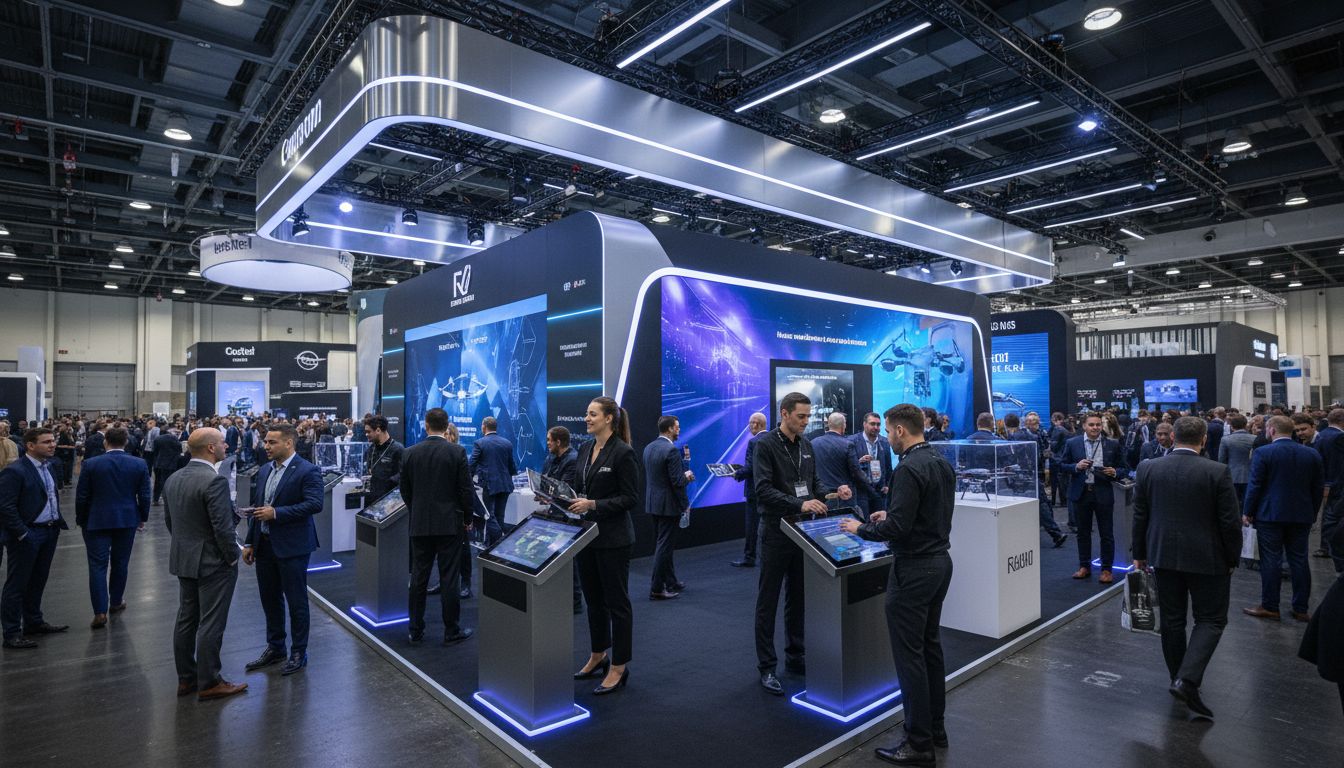
Trade shows remain a critical stage for american businesses looking to capture attention in a crowded marketplace. With companies investing anywhere from $10,000 up to $250,000 on a single booth, every decision counts toward building brand reputation and measurable results. The right trade show booth investment opens doors to stronger industry influence, powerful networking, and meaningful customer connections. This guide unpacks the vital considerations that help businesses turn exhibition investments into lasting growth.
Table of Contents
- Understanding Trade Show Booth Investments
- Types of Trade Show Booths and Solutions
- Key Benefits for Businesses and Brands
- Calculating ROI for Exhibition Stands
- Common Pitfalls and How to Avoid Them
Key Takeaways
| Point | Details |
|---|---|
| Strategic Investment | Trade show booths are more than just expenses; they are critical marketing platforms that can yield significant returns when strategically executed. |
| Booth Types Matter | Understanding various booth types—like island and peninsula—can enhance visibility and audience engagement. |
| Measure ROI Effectively | Successful ROI measurement should include both direct sales and lead quality, enabling comprehensive assessment of trade show investments. |
| Avoid Common Pitfalls | Essential pre-event planning and clear objectives are crucial to avoid mistakes that can undermine booth effectiveness and lead generation. |
Understanding Trade Show Booth Investments
Trade show booth investments represent more than just a financial transaction—they are strategic opportunities for businesses to amplify brand visibility and create meaningful connections in competitive market environments. When approached thoughtfully, these investments can transform from simple exhibition spaces into powerful marketing platforms that generate substantial returns.
Successful booth investments require understanding several critical dimensions beyond mere physical space. Companies must consider multiple factors such as design complexity, location within the exhibition hall, technological integration, and alignment with specific marketing objectives. Strategic booth investments typically range from $10,000 to $250,000, depending on industry, booth size, and customization level. These costs encompass not just physical construction, but also include design conceptualization, graphic production, transportation, installation, and on-site staffing.
Key considerations for intelligent trade show booth investments include:
- Precise audience targeting
- Modular design flexibility
- Advanced technological capabilities
- Measurable engagement metrics
- Long-term reusability potential
Businesses seeking comprehensive insights can explore our guide to trade show booth types and strategies to develop a more nuanced understanding of effective exhibition approaches. Ultimately, a well-planned booth investment acts as a critical touchpoint for connecting with potential clients, showcasing innovations, and positioning your brand as an industry leader.
Types of Trade Show Booths and Solutions
Trade show booths come in a diverse array of configurations, each designed to meet specific marketing objectives and spatial constraints. Understanding these different types allows businesses to strategically select the most appropriate booth design that maximizes engagement, brand visibility, and return on investment.
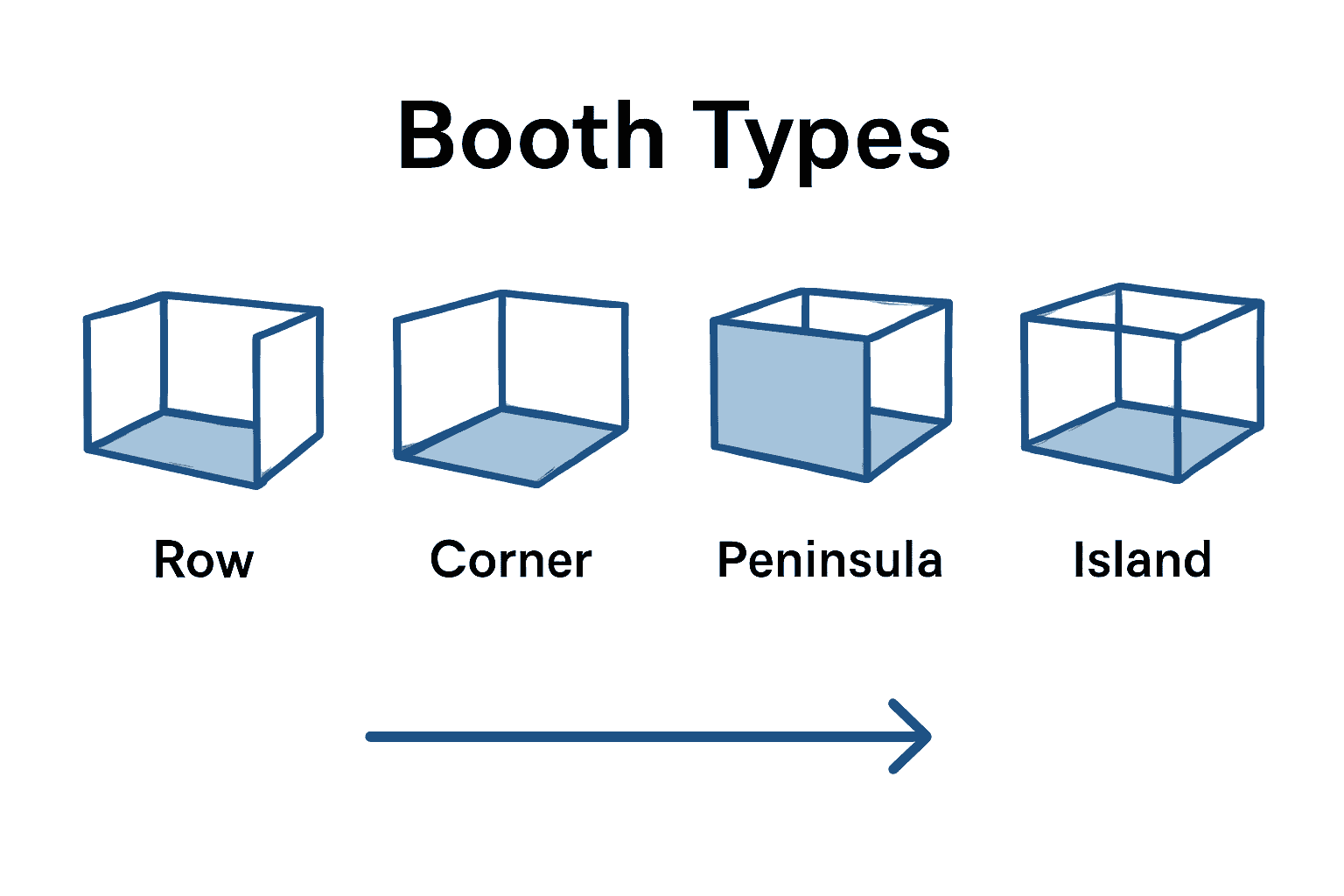
Booth classifications primarily revolve around location, size, and structural complexity. The most common types include:
- Row Booths: Linear displays positioned in a single row, typically 10×10 feet, offering standard visibility and budget-friendly options
- Corner Booths: Located at intersection points, providing additional exposure from two sides
- Peninsula Booths: Open on three sides, creating dramatic visual impact and increased attendee interaction
- Island Booths: Completely open configuration, surrounded by aisles, allowing maximum360-degree engagement
Modern exhibition solutions have evolved beyond traditional static displays. Modular booth designs now offer unprecedented flexibility, enabling companies to adapt their presentation spaces quickly and cost-effectively. These intelligent configurations allow businesses to reconfigure booth layouts for different events, maximizing long-term investment value.
Companies seeking innovative approaches to booth design can explore our guide to exhibition stand types, which provides comprehensive insights into selecting the right booth strategy for specific marketing goals. Ultimately, the right booth type transforms a simple space into a powerful brand storytelling platform, creating memorable experiences that drive business connections.
Key Benefits for Businesses and Brands
Trade show participation represents a strategic investment that offers businesses unprecedented opportunities for direct market engagement, brand visibility, and accelerated business growth. Unlike digital marketing channels, trade shows provide a unique, immersive environment where companies can establish immediate, personal connections with potential clients, partners, and industry stakeholders.
Key business benefits of trade show participation extend far beyond simple product showcasing. Companies can leverage these events to:
- Conduct real-time market research
- Generate high-quality sales leads
- Demonstrate product capabilities through live demonstrations
- Build and strengthen industry relationships
- Gain competitive intelligence
- Benchmark against industry competitors
- Create immediate brand recognition
The economic impact of trade show investments is substantial. Research indicates that companies can generate significant returns, with some industries reporting lead conversion rates between 15% to 30% directly from trade show interactions. Networking opportunities are particularly powerful, allowing businesses to meet multiple potential clients and partners within a concentrated timeframe that would typically require months of individual outreach.
Companies looking to maximize their trade show strategy can explore our creative trade show booth ideas to develop compelling engagement approaches. By treating trade shows as strategic marketing platforms rather than mere promotional events, businesses can transform these opportunities into significant competitive advantages that drive tangible business growth.
Calculating ROI for Exhibition Stands
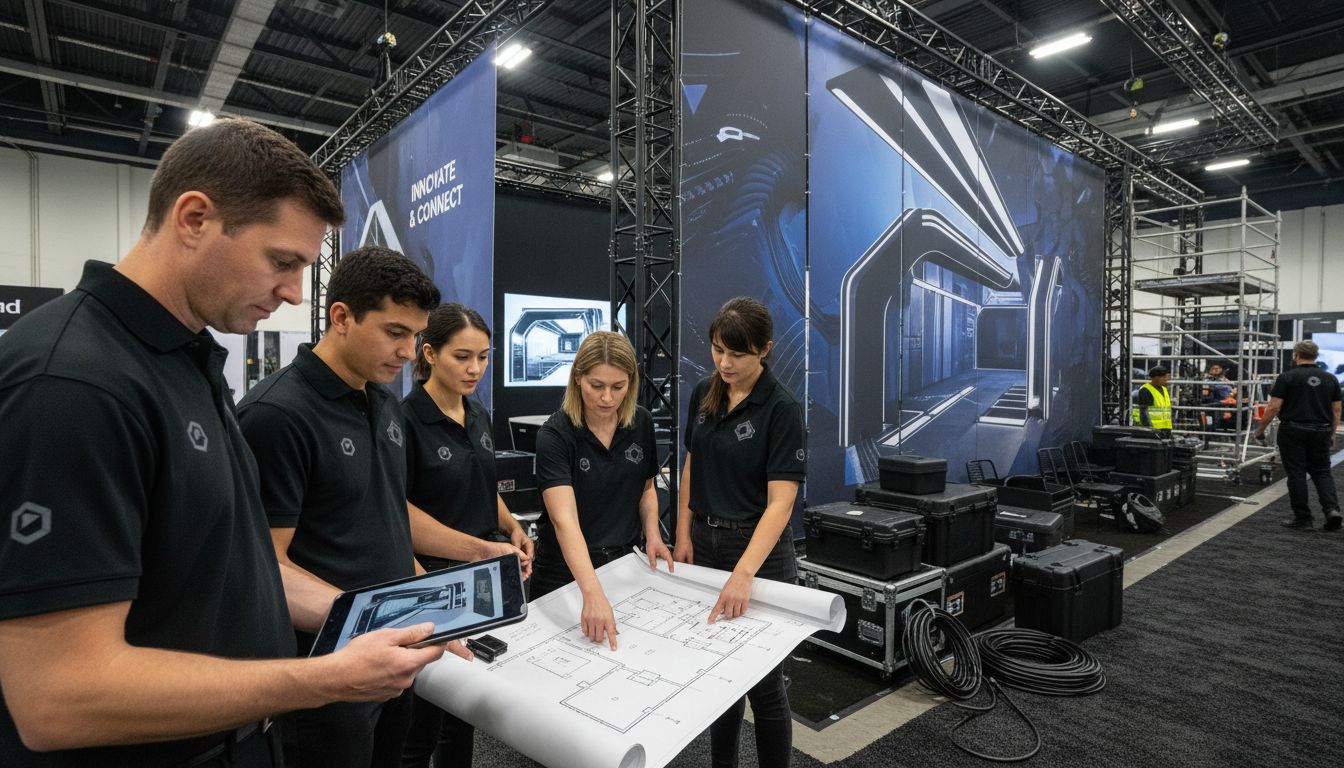
Calculating return on investment (ROI) for exhibition stands requires a comprehensive approach that goes beyond simple financial calculations. Successful measurement demands a multifaceted strategy that captures both tangible and intangible benefits of trade show participation, ensuring businesses can accurately assess their marketing investments.
Key ROI measurement metrics typically include:
- Direct Sales Generation: Track actual sales closed during and immediately after the event
- Lead Quality: Evaluate lead conversion rates and potential customer lifetime value
- Brand Exposure: Measure media impressions, social media mentions, and brand visibility
- Competitive Intelligence: Assess insights gained about market trends and competitor strategies
- Networking Opportunities: Calculate potential partnership and collaboration value
The standard ROI calculation involves comparing total exhibition expenses against generated revenue. This typically encompasses booth design costs, travel expenses, staffing, marketing materials, and potential sales. Professional estimates suggest that successful trade show investments can generate 3-5 times the initial investment when strategically executed.
Businesses seeking to optimize their exhibition stand performance can explore our exhibitor ROI calculator for trade show success, which provides a structured approach to quantifying event impact. By implementing systematic tracking and comprehensive evaluation methods, companies can transform trade show participation from an expense into a strategic business development opportunity.
Common Pitfalls and How to Avoid Them
Trade show booth investments are complex strategic endeavors fraught with potential missteps that can dramatically reduce event effectiveness. While many businesses approach trade shows with enthusiasm, critical errors in planning, design, and execution can transform what should be a powerful marketing opportunity into a costly missed chance.
Most frequent exhibition stand pitfalls include:
- Insufficient pre-event planning and strategy development
- Poorly designed booth layouts that discourage attendee interaction
- Inadequate staff training and engagement protocols
- Lack of clear, measurable objectives
- Overlooking technological integration and interactive elements
- Failing to capture and qualify leads systematically
- Neglecting post-event follow-up and lead nurturing
Successful trade show participation requires meticulous preparation and a strategic approach. Companies must invest time in understanding their target audience, designing compelling visual narratives, and training booth staff to create meaningful interactions. Budget allocation is another critical consideration, with many organizations underestimating the comprehensive costs associated with effective exhibition participation.
Businesses looking to refine their trade show strategy can explore our designing your exhibition stand guide, which offers comprehensive insights into creating impactful booth experiences. By anticipating potential challenges and implementing proactive mitigation strategies, companies can transform potential pitfalls into opportunities for significant market engagement and brand visibility.
Elevate Your Trade Show Success with Customized Booth Solutions
Navigating the challenges of trade show booth investments requires more than just picking a space. You need a partner who understands the importance of strategic design, audience engagement, and measurable ROI to transform your booth into a powerful marketing asset. From overcoming common planning pitfalls to maximizing lead generation, your goals demand a tailored approach that aligns with your brand objectives and event strategy.
At Adam Expo Stand, we specialize in delivering personalized, turnkey exhibition services that cover everything discussed in “The Essential Guide to Investing in Trade Show Booths.” Whether you need modular or custom booths, 3D design visualization, or on-site project management, our solutions help you create visually impactful and functional displays built for real-world trade show success. Discover how to avoid costly mistakes, capture quality leads, and build lasting brand visibility by exploring our designing your exhibition stand guide and innovative creative trade show booth ideas.
Don’t let uncertainty hold back your event potential. Visit Adam Expo Stand today to partner with experts who turn your trade show investment into a measured success. Take the next step now to craft a standout presence that delivers real results!
Frequently Asked Questions
What factors should I consider when investing in a trade show booth?
Key factors include precise audience targeting, design complexity, location within the exhibition hall, technological integration, and alignment with specific marketing objectives.
How do I calculate the ROI for my trade show booth?
To calculate ROI, compare total exhibition expenses (booth costs, travel, staffing) against the revenue generated from direct sales and estimates of lead quality and conversion rates.
What are the different types of trade show booths available?
Types of trade show booths include row booths, corner booths, peninsula booths, and island booths, with each designed for specific marketing goals and levels of engagement.
What are common pitfalls to avoid when investing in a trade show booth?
Common pitfalls include insufficient pre-event planning, poorly designed booth layouts, inadequate staff training, lack of clear objectives, and neglecting post-event follow-up.