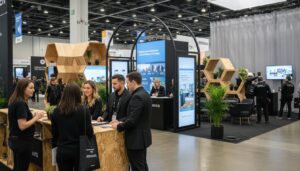
Exhibition Booth Assembly: Everything You Need to Know
Over $24 billion is spent each year on trade shows by american businesses, showing just how serious companies take brand visibility at these events. Creating an effective exhibition booth requires more than snapping together a few pieces and hanging banners. Companies need to think about every detail, from the design and assembly to cost and logistics. This guide helps you understand the basics of booth assembly so you can make a strong impression and avoid costly mistakes every step of the way.
Table of Contents
- Defining Exhibition Booth Assembly And Basics
- Key Types Of Exhibition Booth Setups
- Essential Steps In Booth Assembly Process
- Requirements, Costs, And Logistical Factors
- Common Mistakes And How To Avoid Them
Key Takeaways
| Point | Details |
|---|---|
| Effective Booth Assembly | Transforming modular components into a cohesive display is essential for engaging potential clients. It requires strategic planning beyond merely erecting a structure. |
| Choosing the Right Booth Type | Selecting the appropriate booth type—inline, corner, peninsula, or island—directly influences visibility and audience interaction. Assess your brand’s objectives before deciding. |
| Comprehensive Planning Process | Successful booth assembly involves systematic workflows: design, logistics, on-site setup, and refinement. Each phase must be meticulously executed to create a compelling brand experience. |
| Avoiding Common Mistakes | Proactively addressing design errors, operational missteps, and engagement issues can significantly enhance booth performance and communication effectiveness. Focus on training and strategic visitor interaction. |
Defining Exhibition Booth Assembly and Basics
Exhibition booth assembly is a strategic process of constructing and preparing a temporary display space designed to showcase a company’s brand, products, and services at trade shows, conferences, and corporate events. At its core, booth assembly involves transforming modular components, graphic panels, structural elements, and technological integrations into a cohesive marketing environment that attracts and engages potential clients or partners.
The foundational elements of booth assembly typically include several key components: structural framework, graphic displays, lighting systems, furniture, technological interfaces, and functional staging areas. Professional exhibitors understand that effective booth assembly goes far beyond simply erecting a physical structure – it represents a nuanced choreography of design, brand representation, and audience interaction. Modern booth assembly integrates multiple considerations such as spatial efficiency, visual appeal, brand messaging, and technical functionality.
When approaching booth assembly, businesses must consider multiple strategic factors. These include booth type selection (modular, custom, portable), spatial dimensions, event requirements, transportation logistics, setup complexity, and overall budget constraints. Understanding the specific goals of participation helps determine the most appropriate assembly approach. For a comprehensive overview of different booth types that can inform your assembly strategy, check out our guide to trade show booth types.
The assembly process itself typically follows a structured workflow: initial design conceptualization, component preparation, on-site logistics, precise construction techniques, and final aesthetic refinement. Professional exhibition stand providers often offer end-to-end services that manage everything from initial design visualization to complete on-site assembly, ensuring exhibitors can focus on their core business objectives rather than getting entangled in complex technical details. Successful booth assembly transforms a collection of components into a powerful storytelling platform that captures audience attention and communicates brand essence effectively.
Key Types of Exhibition Booth Setups
Exhibition booth setups are strategically designed spaces that come in multiple configurations, each tailored to meet specific marketing objectives, spatial constraints, and budget considerations. Understanding these different booth types allows businesses to select the most effective display strategy for their unique event goals and brand presentation needs.
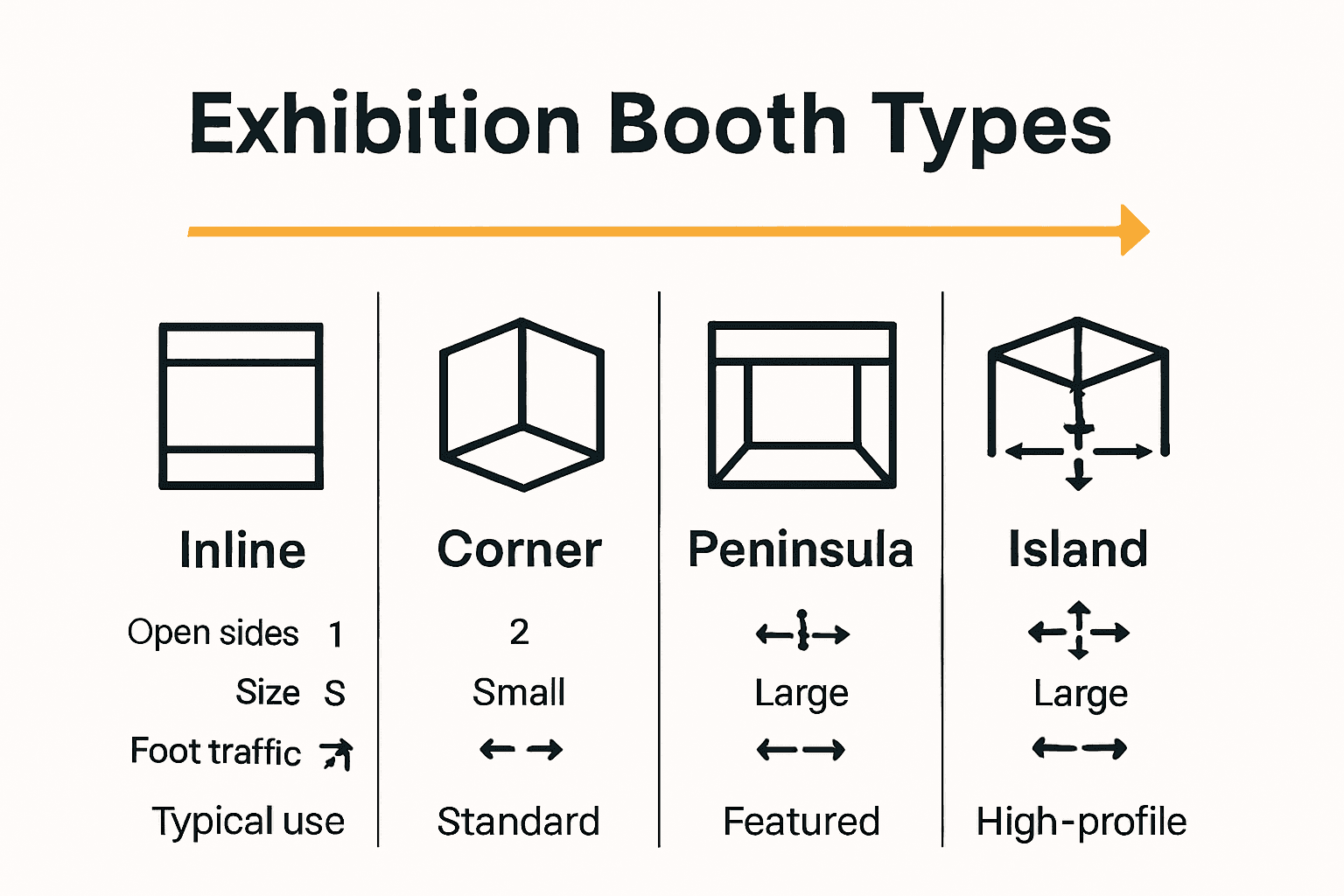
The primary exhibition booth types include:
- Inline Booths: Positioned in a single row with neighboring exhibits on two or three sides, these booths are most common and budget-friendly. Typically 10×10 or 10×20 feet, they work best for smaller companies or those with limited display requirements.
- Corner Booths: Located at the intersection of two aisles, these booths offer enhanced visibility and additional entrance points. They provide more exposure compared to standard inline booths and allow for greater foot traffic engagement.
- Peninsula Booths: Open on three sides, these larger displays (usually 20×20 feet) create dramatic visual impact and provide substantial space for complex product demonstrations or immersive brand experiences.
- Island Booths: Completely open on all four sides, these premium setups offer maximum visibility and flexibility. Ideal for large corporations and brands seeking to create a comprehensive, 360-degree marketing environment.
When selecting a booth type, businesses must carefully analyze their specific objectives. For more insights into selecting the right exhibition stand for your brand, explore our comprehensive guide on exhibition stand types.
The choice of booth setup directly impacts visitor interaction, brand perception, and marketing effectiveness. Factors like event size, audience demographics, product complexity, and budget play crucial roles in determining the most appropriate booth configuration. Successful exhibitors view their booth not just as a physical space, but as a strategic communication platform designed to attract, engage, and convert potential clients or partners.
Essential Steps in Booth Assembly Process
Booth assembly is a complex, multifaceted process that requires meticulous planning, precision execution, and strategic coordination. Successful exhibition booth construction involves a systematic approach that transforms design concepts into functional, visually compelling marketing environments that effectively represent a company’s brand and objectives.
The essential steps in booth assembly typically follow this comprehensive workflow:
- Pre-Event Planning and Design
- Develop detailed booth design and layout specifications
- Create comprehensive technical drawings and 3D visualizations
- Select appropriate materials and structural components
- Confirm booth dimensions and space requirements
- Logistics and Transportation Preparation
- Carefully package and label all booth components
- Organize transportation and shipping logistics
- Prepare detailed inventory checklist
- Ensure proper protective packaging for sensitive equipment
- On-Site Setup and Installation
- Conduct initial site survey and space verification
- Unpack and organize booth components systematically
- Assemble structural framework and support structures
- Install graphic panels, lighting, and technological interfaces
- Perform final aesthetic and functional adjustments
Navigating the complexities of booth assembly requires strategic planning and expert execution. For more comprehensive insights into planning your trade show presence, explore our trade show booth planning guide.
Each assembly stage demands precision and attention to detail.
Professional exhibitors recognize that successful booth setup is more than mechanical construction – it’s about creating an immersive brand experience that captures audience imagination, facilitates meaningful interactions, and effectively communicates a company’s value proposition within a limited physical space.
Requirements, Costs, and Logistical Factors
Exhibition booth requirements represent a complex intersection of strategic planning, financial investment, and operational logistics. Businesses must navigate multiple critical dimensions when preparing for trade show participation, balancing budgetary constraints with marketing objectives and technical specifications.
Key financial considerations for booth planning include:
- Initial Investment Costs
- Booth design and fabrication: $5,000 – $50,000
- Graphics and branding materials: $1,500 – $10,000
- Transportation and shipping: $500 – $5,000
- On-site setup and labor: $1,000 – $7,500
- Recurring Expenses
- Event registration fees
- Travel and accommodation for staff
- Equipment rental or replacement
- Marketing collateral production
Logistical requirements demand comprehensive planning across several critical domains:
- Venue Specifications
- Precise booth dimension restrictions
- Electrical and technological infrastructure requirements
- Weight and height limitations
- Floor load-bearing capacity
- Transportation and Shipping
- Custom crating and protective packaging
- Freight and handling considerations
- International shipping regulations
- Insurance and risk management
For deeper insights into strategically managing trade show logistics, explore our custom booth design process guide.
Successful exhibitors understand that meticulous preparation transforms potential logistical challenges into opportunities for brand storytelling. By anticipating requirements, managing costs strategically, and maintaining operational flexibility, businesses can create memorable exhibition experiences that transcend mere physical display and become powerful marketing platforms.
Common Mistakes and How to Avoid Them
Exhibition booth failures often stem from preventable oversights that can significantly undermine a company’s marketing efforts and event investment. Understanding and anticipating common pitfalls is crucial for creating a successful, impactful trade show presence that effectively communicates your brand message and engages potential clients.
Top mistakes exhibitors frequently encounter include:
- Design and Visual Communication Errors
- Cluttered booth layout blocking visitor access
- Inconsistent or unclear branding messaging
- Overcrowded graphic displays
- Insufficient visual hierarchy
- Neglecting color psychology and brand consistency
- Operational and Logistical Missteps
- Inadequate staff training and preparation
- Poor technology integration
- Lack of pre-event equipment testing
- Insufficient backup plans for technical failures
- Overlooking electrical and connectivity requirements
- Strategic Engagement Mistakes
- Passive staff positioning
- Minimal interactive elements
- Failure to collect visitor contact information
- No clear call-to-action
- Ignoring potential lead qualification processes
Professional exhibitors recognize that successful booth performance requires strategic foresight and meticulous planning. For comprehensive strategies to maximize your trade show impact, check out our guide to trade show booth types.
Avoiding these common mistakes demands a proactive approach. Successful exhibitors treat their booth as a dynamic marketing platform, continuously refining their strategy, training their team, and creating engaging experiences that transform casual interactions into meaningful business opportunities.
Elevate Your Trade Show Presence with Expert Exhibition Booth Assembly
Understanding the complexities of exhibition booth assembly can be overwhelming. From choosing the right booth type to managing logistics and avoiding common mistakes you want a partner who transforms these challenges into seamless success. At Adam Expo Stand, we specialize in custom and modular solutions designed to make your brand stand out through precise design, expert fabrication, and flawless on-site assembly. We handle every step so you focus on engaging your audience and capturing valuable leads.
If you want to avoid costly errors and maximize the impact of your trade show investment explore our custom booth design process and learn about trade show booth planning. Ready to create a visually captivating and highly functional exhibition stand that reflects your brand’s essence Visit Adam Expo Stand today to get started. Don’t wait until event day to solve your booth challenges Take the first step now toward a turnkey, stress-free trade show experience.
Frequently Asked Questions
What is exhibition booth assembly?
Exhibition booth assembly is the process of designing and constructing a temporary display space that showcases a company’s brand, products, and services at events such as trade shows and conferences. It involves the integration of various elements like structural frameworks, graphic displays, and technological interfaces.
What are the different types of exhibition booth setups?
The primary types of exhibition booth setups include inline booths, corner booths, peninsula booths, and island booths. Each type offers different visibility, space, and engagement opportunities tailored to specific marketing objectives.
What are the essential steps in the booth assembly process?
The booth assembly process typically involves pre-event planning and design, logistics and transportation preparation, and on-site setup and installation. Each step requires meticulous attention to detail to ensure a successful exhibition experience.
What common mistakes should I avoid during booth assembly?
Common mistakes include cluttered booth layouts, unclear branding messaging, inadequate staff training, and insufficient technology testing. To maximize your trade show impact, anticipate these pitfalls and prepare accordingly.