How to Choose Booth Materials for Maximum Impact
Planning an unforgettable exhibit at major events in Berlin or Paris begins with crystal clear branding and focused booth materials. For marketing directors at European tech companies, the challenge is translating complex brand identities into displays that stop traffic and spark meaningful connections. This guide highlights how defining event requirements and choosing innovative, high-impact materials can set your company apart, ensuring every detail supports your unique vision and maximizes audience engagement.
Table of Contents
- Step 1: Define Your Branding And Event Requirements
- Step 2: Assess Available Booth Material Options
- Step 3: Compare Quality, Durability, And Sustainability
- Step 4: Verify Visual Appeal And Installation Readiness
- Step 5: Confirm Supplier Support And Logistics
Quick Overview
| Key Insight | Clear Explanation |
|---|---|
| 1. Define Branding Objectives | Establish clear branding and event goals to guide booth design choices. |
| 2. Evaluate Material Options | Assess booth materials for durability, aesthetic appeal, and cost-effectiveness. |
| 3. Prioritize Quality and Sustainability | Select materials based on performance, usability, and eco-friendliness. |
| 4. Ensure Visual and Functional Readiness | Test graphics and installation to avoid last-minute complications. |
| 5. Secure Reliable Supplier Support | Partner with logistics experts for seamless transportation and installation. |
Step 1: Define your branding and event requirements
Successfully creating an impactful trade show booth starts with crystal clear branding objectives and comprehensive event requirements planning. Your first strategic move involves translating your company’s visual identity and marketing goals into a cohesive exhibition design.
Begin by conducting a thorough assessment of your specific event parameters. This includes evaluating key aspects such as:
- Booth size and configuration
- Venue logistics and restrictions
- Target audience demographics
- Specific marketing objectives (lead generation, product showcase, brand awareness)
- Available budget for booth materials and design
Effective booth design requires aligning your visual branding elements precisely with your event goals. Event branding strategies play a critical role in creating memorable visitor experiences that communicate your brand’s unique value proposition.
Your booth materials should tell a compelling visual story that instantly communicates your brand’s essence and professional capabilities.
Carefully document your specific branding requirements, including color palette, logo placement, messaging tone, and design aesthetic. These details will serve as your foundational blueprint for selecting appropriate booth materials that maximize visual impact and audience engagement.
Pro tip: Create a detailed branding style guide specific to your trade show presence to ensure consistency across all booth design elements.
Step 2: Assess available booth material options
Selecting the right booth materials is a critical step in creating a visually compelling and functionally effective trade show presence. Your goal is to explore material options that not only showcase your brand’s aesthetic but also provide practical performance across different exhibition environments.
When evaluating booth material choices, consider the following key factors:
- Structural durability
- Weight and portability
- Cost effectiveness
- Aesthetic appeal and brand alignment
- Ease of assembly and transportation
- Sustainability and reusability
Modern booth materials range from traditional options like aluminum and wood to innovative solutions such as lightweight composites and fabric-based systems. Types of exhibition stands can dramatically influence your overall booth design strategy and visual impact.
Professional exhibitors understand that material selection is more than aesthetics – it’s a strategic decision that affects brand perception and operational efficiency.
Carefully evaluate each material’s pros and cons, considering factors like environmental conditions, shipping requirements, and long-term usage potential. Some materials offer superior graphics capabilities, while others provide exceptional structural integrity or modular flexibility.

Here’s a concise comparison of popular booth materials and their performance factors:
| Material Type | Visual Impact | Durability | Sustainability |
|---|---|---|---|
| Aluminum Frame | Modern, sleek finish | Highly resistant | Easily recyclable |
| Composite Panels | Premium print quality | Moderate longevity | Mixed compositions |
| Fabric Systems | Vivid graphics | Flexible, lightweight | Often reusable |
| Solid Wood | Classic look | Long-term robust | Can be sourced green |
Pro tip: Request material samples and conduct hands-on testing to truly understand their performance characteristics before making a final selection.
Step 3: Compare quality, durability, and sustainability
Navigating the complex landscape of booth material selection requires a strategic approach to evaluating critical performance characteristics. Your primary objective is to identify materials that not only meet your immediate exhibition needs but also provide long-term value and minimal environmental impact.
When conducting a comprehensive material assessment, focus on these key evaluation criteria:
- Material structural integrity
- Resistance to wear and tear
- Potential for repeated use
- Environmental sustainability metrics
- Lifecycle cost analysis
- Performance under various environmental conditions
Modular trade show stands offer unique advantages in balancing quality, durability, and sustainability, presenting flexible solutions for evolving exhibition requirements. Modern exhibitors increasingly prioritize materials that demonstrate exceptional performance across multiple dimensions.
Quality is not just about immediate appearance, but about creating a lasting impression that reflects your brand’s commitment to excellence and innovation.
Carefully analyze each material’s technical specifications, including stress resistance, weight distribution, graphic compatibility, and ecological footprint. Consider consulting materials experts who can provide detailed insights into emerging sustainable booth construction technologies.
Pro tip: Develop a comprehensive scoring matrix that weights technical performance, cost efficiency, and sustainability metrics to make a truly informed material selection.
Step 4: Verify visual appeal and installation readiness
Ensuring your booth materials create a stunning visual impact while maintaining practical installation efficiency is crucial for trade show success. Your goal is to meticulously validate both aesthetic excellence and functional performance before the event.
Key areas to inspect during your visual and installation readiness assessment include:
- Graphic resolution and color accuracy
- Seamless component integration
- Lighting placement and effectiveness
- Structural alignment and stability
- Electrical and technical setup compatibility
- Accessibility and visitor flow design
Complete guide to booth fabrication provides comprehensive insights into creating a polished, professional exhibition presence. Professional exhibitors understand that meticulous preparation prevents last-minute complications and ensures a smooth setup process.
A visually compelling booth is more than just attractive graphics – it’s a strategic communication platform that speaks volumes about your brand’s professionalism and attention to detail.
Conduct a comprehensive walkthrough, testing each component’s fit, finish, and functionality. Simulate actual booth assembly to identify potential challenges, verify graphic placement, and ensure all elements align perfectly with your original design concept.
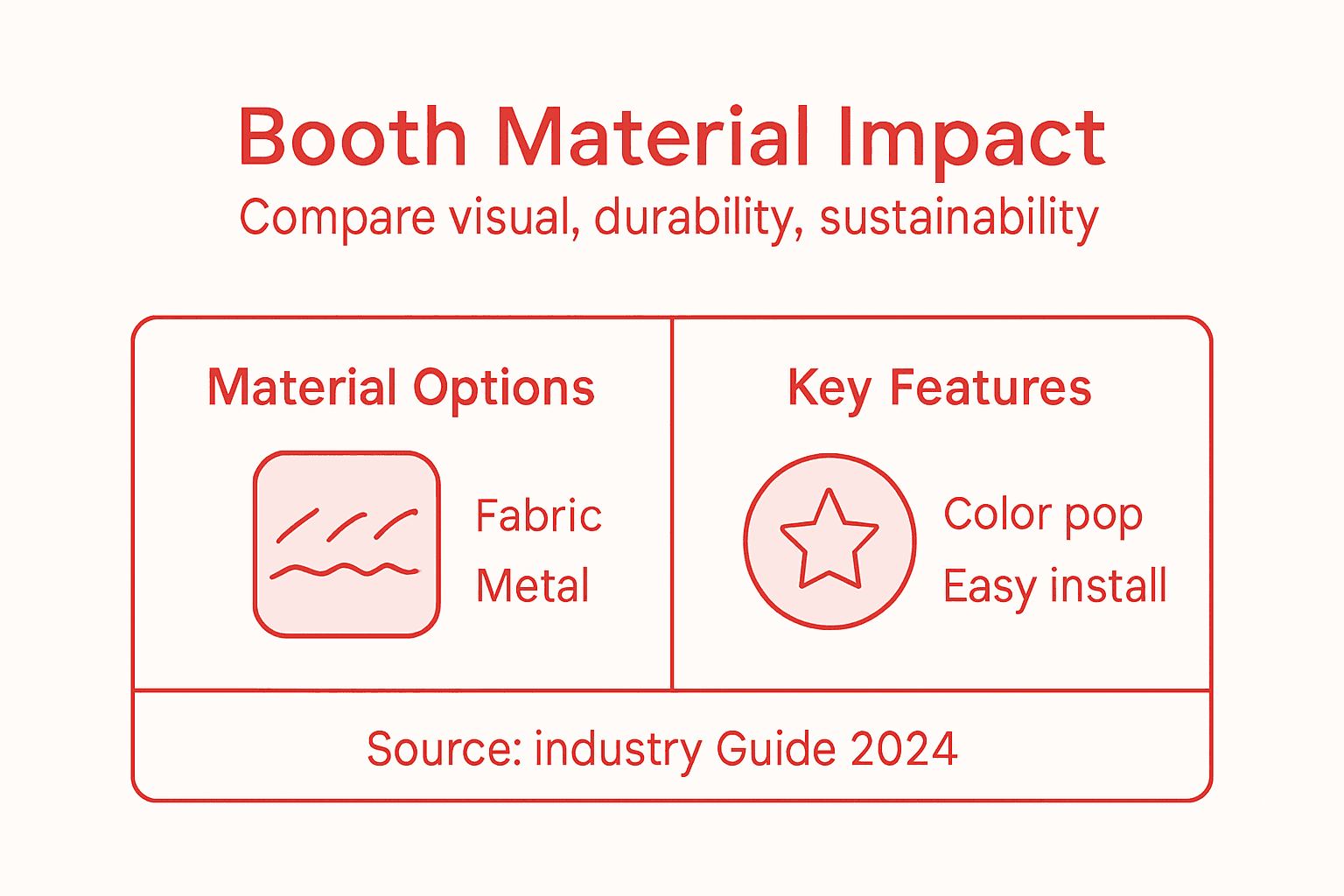
Pro tip: Create a detailed pre-show setup checklist with photographic references to streamline installation and minimize potential errors during setup.
Step 5: Confirm supplier support and logistics
Successful trade show participation hinges on comprehensive logistics planning and robust supplier support. Your objective is to establish a seamless partnership that ensures smooth transportation, timely delivery, and professional handling of your exhibition materials.
When evaluating potential suppliers, prioritize these critical assessment criteria:
- Detailed shipping and handling capabilities
- Experience with trade show logistics
- Comprehensive insurance coverage
- On-site installation support
- Customs clearance expertise
- Flexible contingency planning
Complete guide to booth fabrication highlights the importance of selecting logistics partners who understand the intricate requirements of exhibition transportation. Professional exhibitors recognize that reliable logistics can make or break their trade show experience.
Effective supplier support transforms logistical challenges from potential roadblocks into smooth, manageable processes that allow you to focus on your core business objectives.
Conduct thorough due diligence by requesting detailed logistics plans, reviewing past exhibition support records, and confirming the supplier’s ability to handle your specific booth materials and event requirements. Establish clear communication channels and documented expectations to minimize potential complications.
This summary highlights how supplier support can influence trade show logistics success:
| Supplier Factor | Impact on Booth Experience | Examples of Best Practice |
|---|---|---|
| Shipping Coordination | Ensures timely delivery | Scheduled shipments, updates |
| On-Site Assistance | Streamlines setup and problem solving | Dedicated event staff |
| Insurance Coverage | Protects assets during transit | Detailed insurance policies |
| Custom Solutions | Addresses unique booth requirements | Flexible packing, contingency plans |
Pro tip: Schedule a comprehensive pre-event logistics meeting to align expectations, review contingency plans, and confirm every minute detail of your exhibition material transportation.
Elevate Your Trade Show Impact with Expert Booth Material Solutions
Choosing the right booth materials is essential to capture attention and reflect your brand’s excellence. Whether you face challenges in balancing durability, sustainability, or visual appeal, understanding these critical factors is your first step toward a powerful exhibition presence. The article highlights key pain points like material quality, installation readiness, and supplier logistics that directly affect how your booth performs and resonates with attendees.
At Adam Expo Stand, we specialize in customized and modular booth solutions tailored to your unique branding and event requirements. Our comprehensive approach covers everything from conceptual design and 3D visualization to full project management and on-site assembly. With a focus on reusable, sustainable materials and seamless logistics, we ensure a hassle-free experience that maximizes your trade show ROI.
Ready to transform your branded space into a magnetic visitor hub? Discover how our expert team can deliver functional, visually striking exhibition stands designed for impact. Visit Adam Expo Stand now to start crafting your ideal trade show solution tailored for maximum engagement and long-term brand growth.
Frequently Asked Questions
How do I assess which booth materials are best for my trade show presence?
Start by evaluating the specific requirements of your event, such as booth size, target audience demographics, and marketing objectives. Consider factors like durability, weight, and aesthetic appeal when selecting materials to ensure they align with your branding goals and functional needs.
What factors should I prioritize when choosing materials for my trade show booth?
Focus on structural durability, portability, cost, and sustainability of the materials. Create a scoring matrix to rank options based on these criteria to help in making a well-informed decision.
How can I ensure my booth materials create a memorable visual impact?
Select materials that enhance graphic resolution and color accuracy, and consider how each component integrates within the overall booth design. Conduct a walkthrough of the booth setup beforehand to validate visual appeal and ensure every element aligns perfectly with your branding guidelines.
What should I include in my pre-show checklist for booth materials?
Ensure your checklist specifies graphic placements, lighting arrangements, and structural stability checks. Incorporate photographic references to guide your setup team, reducing the likelihood of last-minute complications.
How do I assess the environmental sustainability of the booth materials I choose?
Evaluate each material’s lifecycle cost and ecological footprint, looking for options that can be reused or recycled. Research materials that offer sustainable construction practices to minimize waste and support environmental responsibility.
What logistical considerations should I remember when selecting booth materials?
Confirm your supplier’s shipping capabilities, insurance coverage, and on-site support options. Schedule a logistics meeting to discuss transportation details and ensure all necessary arrangements are in place before the event.
Recommended
- 7 Event Branding Ideas to Boost Trade Show Engagement
- Success Exhibiting at IFEMA Madrid: The Ultimate Exhibitor Guide
- The Ultimate Guide to Trade Booth Rental Design in Europe | Adam Expo Stand Solutions
- Create the most successful stand design.
- 7 Types of Promotional Banners Every Business Should Know –