Exhibition Booth Management: Boosting Event Success
Most American companies invest heavily in trade shows, yet only a small percentage fully capitalize on their exhibition booth management. With events offering critical opportunities to connect with potential clients and partners, understanding how to transform a simple booth into a compelling brand experience is more valuable than ever. This guide reveals practical insights that help American businesses maximize every inch of their exhibition space while increasing engagement and long-term value.
Table of Contents
- Defining Exhibition Booth Management
- Types of Booths and Service Models
- Core Responsibilities and Processes
- Maximizing Branding and Visitor Engagement
- Common Challenges and Mistakes to Avoid
Key Takeaways
| Point | Details |
|---|---|
| Exhibition Booth Management | This approach focuses on optimizing brand presence at events through strategic design and logistics to enhance engagement and business opportunities. |
| Booth Types and Service Models | Companies can choose from various booth solutions, including physical, custom, and virtual setups, depending on their marketing needs. |
| Visitor Engagement Techniques | Effective management emphasizes creating immersive experiences through visual storytelling and technology to foster active participation. |
| Challenges to Avoid | Common pitfalls include poor planning, inadequate audience targeting, and ineffective engagement strategies which can undermine marketing success. |
Defining Exhibition Booth Management
Exhibition booth management represents a strategic approach to planning, executing, and optimizing business presence at trade shows and corporate events. At its core, exhibition booth management involves comprehensive coordination of multiple complex elements designed to maximize brand visibility, attendee engagement, and potential business opportunities.
This multifaceted discipline encompasses several critical components that transform a basic physical space into a powerful marketing platform. Companies leverage exhibition booth management to create immersive brand experiences that go far beyond traditional static displays. Key aspects include:
- Strategic Space Design: Developing booth layouts that facilitate smooth visitor interactions
- Brand Representation: Ensuring visual and messaging consistency with corporate identity
- Logistical Coordination: Managing transportation, setup, staffing, and technical requirements
- Performance Tracking: Implementing metrics to measure event success and return on investment
Understanding the nuanced role of trade show booths helps businesses recognize that successful exhibition booth management is not just about physical presence, but creating meaningful connections. Effective management transforms exhibition spaces from mere display areas into dynamic platforms for networking, lead generation, and brand storytelling.
Professional exhibition booth management requires a holistic approach that integrates design, technology, personnel training, and strategic planning. By treating each exhibition as a unique marketing opportunity, businesses can craft compelling narratives that resonate with target audiences and distinguish themselves in competitive industry environments.
Types of Booths and Service Models
Exhibition booth solutions represent a diverse landscape of design and service options tailored to meet varying business needs and strategic objectives. Organizations can select from multiple booth configurations that range from compact, portable displays to expansive, custom-engineered marketing environments.
Traditional booth types include:
- Inline Booths: Standard linear configurations positioned between other exhibitors
- Peninsula Booths: Open on three sides, providing enhanced visibility
- Island Booths: Free-standing displays accessible from all four sides
- Pop-up Booths: Lightweight, portable options ideal for smaller events
- Modular Booths: Flexible, reconfigurable systems adaptable across multiple events
Modern service models have expanded beyond physical configurations. Types of exhibition stands now encompass hybrid and digital formats that extend traditional boundaries. Companies can now choose between:
- Physical Booth Rentals: Temporary space solutions with professional setup and teardown
- Custom-Designed Booths: Fully personalized installations reflecting brand identity
- Virtual Exhibition Spaces: Digital platforms enabling global audience engagement
- Hybrid Event Configurations: Blending physical and online interaction capabilities
Technology has dramatically transformed booth design and service delivery. Virtual tradeshow platforms now offer interactive digital environments where businesses can create immersive brand experiences without physical limitations. These innovative approaches enable companies to reach broader audiences, reduce logistical complexities, and optimize marketing investments across multiple engagement channels.
Core Responsibilities and Processes
Exhibition booth management encompasses a comprehensive set of strategic responsibilities that transform complex logistical challenges into seamless, high-impact marketing experiences. At its core, this discipline requires meticulous planning, precision execution, and adaptive problem-solving across multiple interconnected domains.
The primary responsibilities of exhibition booth management can be categorized into critical operational phases:
- Pre-Event Planning
- Developing comprehensive event strategy
- Budget allocation and financial management
- Design conceptualization and booth layout
- Marketing material preparation
- Logistical Coordination
- Transportation and shipping logistics
- Equipment and technology setup
- Staff recruitment and training
- On-site operational management
Technical execution requires careful integration of multiple components. Why Use Modular Booth Rental for Trade Shows highlights the strategic flexibility needed in modern exhibition management, where adaptability becomes a critical competitive advantage. Successful managers must navigate complex requirements including:
- Strategic Communication: Developing clear messaging and brand representation protocols
- Technical Infrastructure: Ensuring seamless technology and presentation capabilities
- Performance Tracking: Implementing robust lead generation and engagement metrics
- Risk Management: Anticipating and mitigating potential operational challenges
Ultimately, exhibition booth management transcends traditional event coordination. It represents a sophisticated blend of marketing strategy, project management, brand communication, and technological integration designed to create memorable, impactful audience experiences that drive meaningful business outcomes.
Maximizing Branding and Visitor Engagement
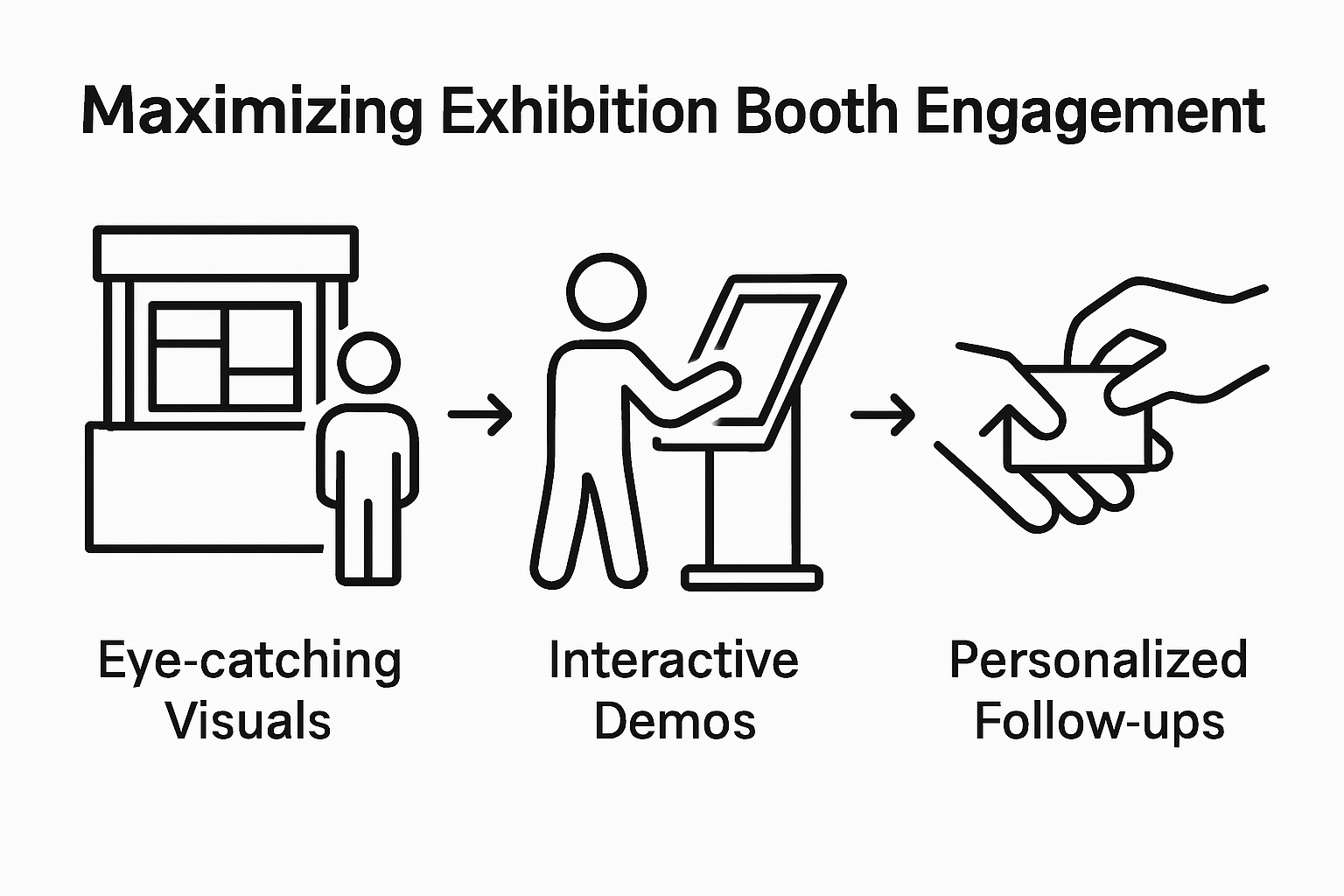
Visitor engagement represents the critical intersection where strategic booth design meets compelling brand storytelling. Successful exhibition booth management transforms physical spaces into dynamic platforms that capture attention, spark curiosity, and create memorable interactions between brands and potential customers.
Effective engagement strategies involve multiple sophisticated approaches:
- Visual Storytelling
- Creating immersive brand narratives
- Utilizing high-impact graphic design
- Developing intuitive visual communication
- Interactive Experience Design
- Implementing technology-driven engagement tools
- Designing interactive product demonstrations
- Creating personalized visitor experiences
Key Elements of Effective Booth Design emphasizes the importance of understanding psychological triggers that transform passive observers into active participants. Successful brands leverage multiple engagement techniques:
- Sensory Engagement: Designing multisensory experiences that stimulate visual, auditory, and tactile interactions
- Technology Integration: Incorporating augmented reality, touchscreen interfaces, and real-time demonstrations
- Personalized Interaction: Creating custom engagement pathways tailored to individual visitor profiles
- Emotional Connection: Developing narratives that resonate with audience motivations and aspirations
Ultimately, maximizing branding and visitor engagement transcends traditional marketing approaches. It requires a holistic understanding of human psychology, technological innovation, and strategic storytelling that transforms exhibition spaces from static displays into dynamic, interactive brand experiences.
Common Challenges and Mistakes to Avoid
Exhibition booth management involves navigating a complex landscape of potential pitfalls that can significantly undermine event success. Businesses frequently encounter critical challenges that, if left unaddressed, can transform potentially transformative marketing opportunities into costly missed connections.
The most prevalent challenges in exhibition booth management include:
- Strategic Planning Failures
- Insufficient pre-event research
- Inadequate audience targeting
- Poor budget allocation
- Lack of clear event objectives
- Operational Execution Risks
- Inconsistent brand messaging
- Poorly trained booth staff
- Technical infrastructure breakdowns
- Ineffective lead capture mechanisms
Why Personalized Booth Design Elevates Brand Impact highlights the critical importance of avoiding generic approaches that fail to distinguish a brand from competitors. Common mistakes that derail exhibition performance typically manifest in several key areas:
- Design Disconnection: Creating booth layouts that do not align with brand identity
- Engagement Breakdown: Developing passive displays that fail to invite visitor interaction
- Performance Tracking: Neglecting robust metrics and follow-up strategies
- Resource Misallocation: Investing disproportionately in aesthetics over substantive interaction
Successful exhibition booth management demands a proactive approach that anticipates potential challenges. By understanding and systematically addressing these common pitfalls, businesses can transform exhibition experiences from potential disappointments into strategic opportunities for meaningful brand engagement and business development.
Elevate Your Exhibition Booth Management for Unmatched Event Success
Struggling with complex event planning challenges like strategic space design, seamless logistical coordination, and creating engaging visitor experiences? This article highlights how exhibition booth management is essential for transforming your trade show presence into a dynamic marketing platform that captivates and connects with your audience. Avoid common pitfalls such as inconsistent brand messaging or ineffective lead capture by partnering with experts who understand the nuances of booth design and on-site execution.
Adam Expo Stand specializes in tailored exhibition stand solutions that address these exact concerns. With services ranging from custom-designed booths and 3D design visualization to turnkey assembly and sustainable modular rentals, we help you maximize branding impact and visitor engagement while ensuring flawless event delivery. Discover how our comprehensive approach can boost your event ROI by visiting our Exhibition Stand Design page and explore why Personalized Booth Design Elevates Brand Impact is the key to standing out. Don’t let opportunity slip away. Act now to transform your trade show success by reaching out to Adam Expo Stand at https://blog.cricseasons.com/ and secure your next winning exhibition experience.
Frequently Asked Questions
What is exhibition booth management?
Exhibition booth management involves the strategic planning, execution, and optimization of a company’s presence at trade shows and corporate events to maximize brand visibility, engagement, and business opportunities.
What are the different types of exhibition booths?
Different types of exhibition booths include inline booths, peninsula booths, island booths, pop-up booths, and modular booths, each offering various configurations to meet business needs and objectives.
How can I maximize visitor engagement at my exhibition booth?
Maximizing visitor engagement can involve creating immersive brand narratives, utilizing high-impact graphics, implementing interactive experiences with technology, and personalizing interactions to resonate with individual visitors’ motivations.
What common mistakes should I avoid in exhibition booth management?
Common mistakes to avoid include poor strategic planning, inconsistent brand messaging, neglecting staff training, failing to provide engaging experiences, and not tracking performance metrics effectively.
Recommended
- Success Exhibiting at IFEMA Madrid: The Ultimate Exhibitor Guide
- The Ultimate Guide to Trade Booth Rental Design in Europe | Adam Expo Stand Solutions
- Create the most successful stand design.
- Best Selling Exhibition Stands Design for 2025
- Top Workshop Organization Tips for Diesel Injection Technicians 2025 – My WordPress